
What Happens When the Seller Has Not Paid Off a Home Improvement Loan?
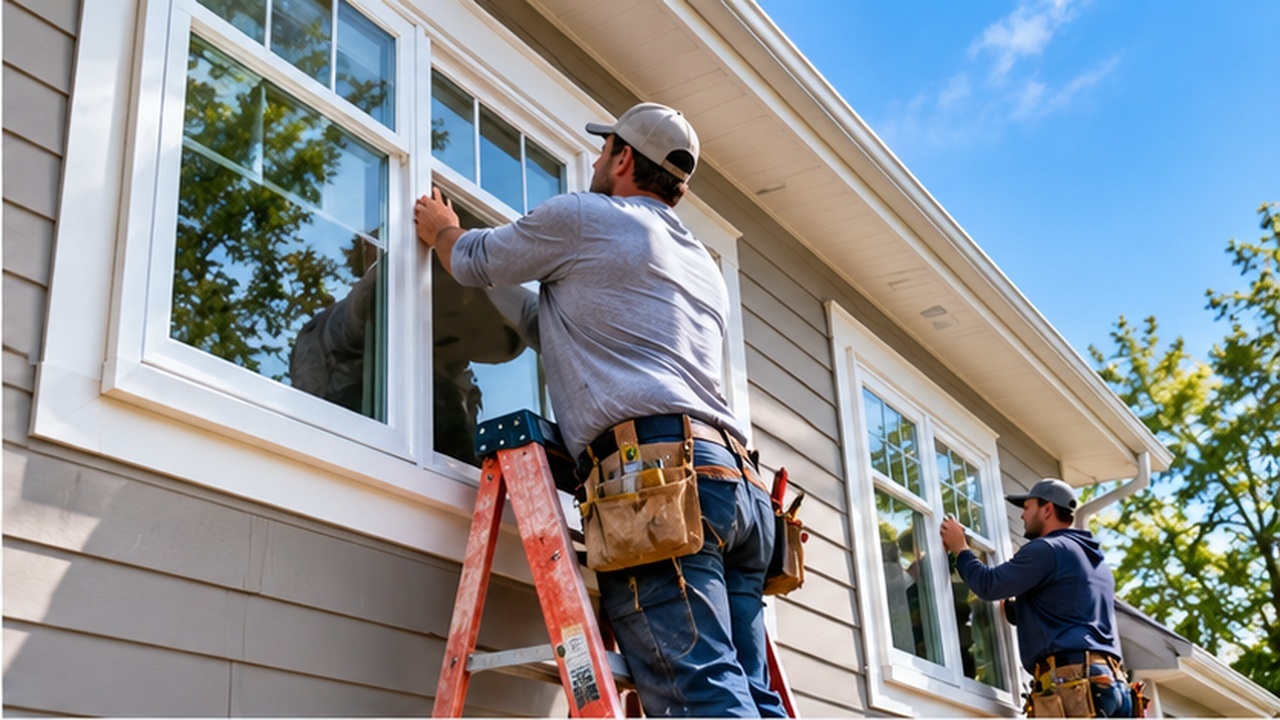 A newly installed roof, upgraded windows, or modern heating system can make a home more attractive to buyers. However, what happens when the seller is still making payments on those improvements?
Depending on how the work was financed, an outstanding home improvement loan could affect the sale, the title review, and even the buyer’s mortgage closing.
Not All Home Improvement Loans Work the Same Way
Homeowners finance improvements through several methods, including personal loans, home equity loans, contractor financing, and property-assessed financing programs.
Some financing arrangements are unsecured, meaning the loan is based primarily on the borrower’s credit rather than a claim against the property.
Others may be secured by the home, creating a lien or another obligation that must be addressed during the sale.
This distinction matters because an unpaid personal loan does not necessarily interfere with transferring ownership, while a loan secured by the property may need to be resolved before closing.
Why the Title Search Matters
During the mortgage process, a title search helps identify recorded liens, ownership issues, and other claims affecting the property.
If the seller financed a renovation through a loan secured by the home, the outstanding balance may appear in the title records.
The title company and closing professionals will determine what must be paid or released to provide the title required for the transaction.
In many cases, the seller can use proceeds from the sale to pay off an outstanding secured loan. However, the payoff amount and necessary documentation must be obtained before the transaction is finalized.
Special Considerations for Property-Assessed Financing
Some energy-efficient improvements are financed through Property Assessed Clean Energy, commonly called PACE, programs.
Unlike traditional personal loans, these obligations may be collected through property tax assessments.
Depending on the program and mortgage requirements, an outstanding PACE assessment can create additional questions about lien priority, payoff obligations, and whether the financing arrangement is acceptable.
Buyers should never assume that an obligation can simply remain attached to the property without affecting their mortgage.
What Buyers Should Ask Before Closing
If a seller advertises recently completed improvements, buyers can ask whether the work has been fully paid for.
They should also find out whether any financing arrangements, warranties, or service agreements are connected to the improvements.
The goal is not to discourage buyers from purchasing homes with recent renovations. Instead, it is to make sure that the financial obligations associated with those improvements are clearly understood.
A beautiful renovation can add appeal to a property, but the paperwork behind it matters too. Addressing outstanding financing early helps protect the transaction from unexpected delays and gives buyers greater confidence about what they are purchasing.
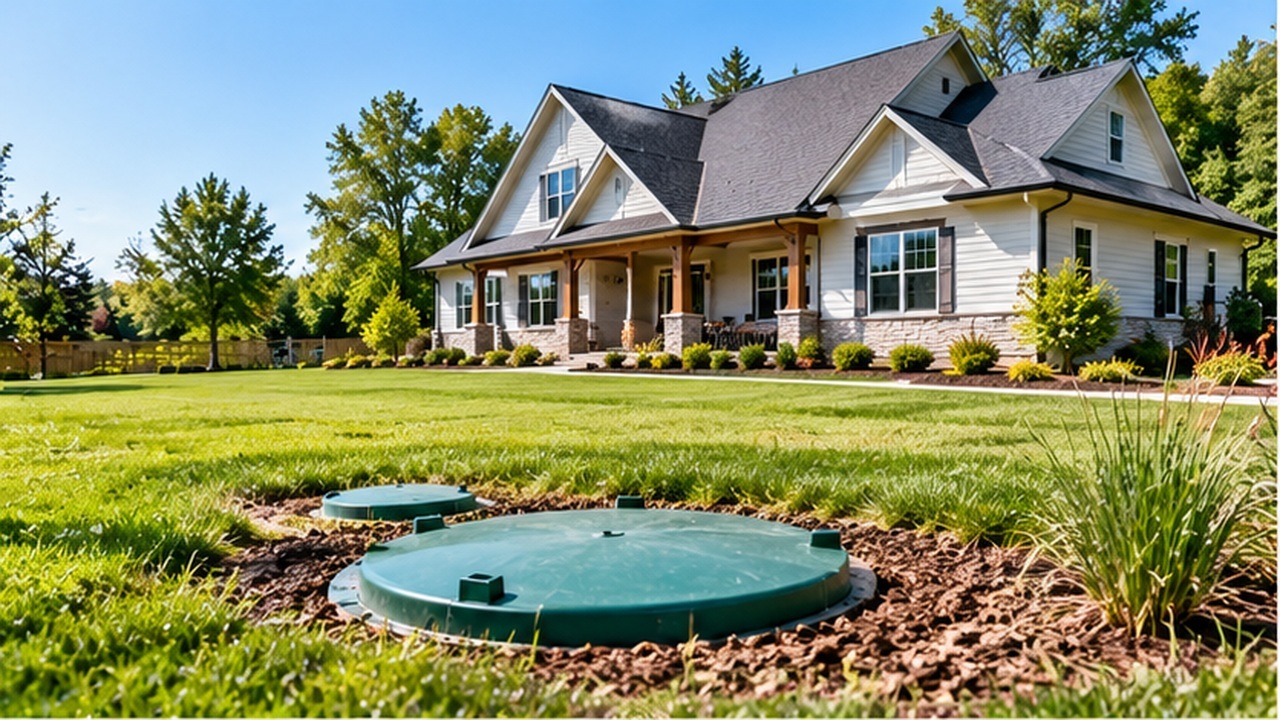 A home can look perfect during a showing, but certain features of the property may create questions when it comes time to secure a mortgage. One situation buyers may not anticipate is purchasing a home that shares a septic system with another property.
 Buying a home from a parent, grandparent, sibling, or another relative may seem easier than purchasing from a stranger. You already know the seller, may know the property’s history, and might even agree on a price without extensive negotiations.