Should You Buy a Home Before Your Lease Ends?

Buying a home before your lease expires may seem like paying for two places at once, but in many cases it can actually make the transition smoother and less stressful. Every situation is different, and understanding your options can help you decide whether overlapping your lease and mortgage is the right move.

Consider Your Timeline
The home buying process does not always follow a predictable schedule. A closing date can move, repairs may take longer than expected, or your moving plans could change. Having a little overlap between your lease and your new home gives you flexibility instead of feeling rushed.

Compare the Financial Impact
Paying rent and a mortgage for a short period may seem expensive, but it is important to compare that cost with the alternatives. Breaking a lease, paying for temporary housing, or rushing into a decision because of a deadline could end up costing even more. Review your lease agreement carefully and calculate all of your options before deciding.

Enjoy a Less Stressful Move
One of the biggest advantages of overlapping your lease is the ability to move at your own pace. Instead of packing everything into one exhausting weekend, you can gradually move your belongings, clean your rental thoroughly, and settle into your new home without unnecessary pressure.

Give Yourself Time to Prepare Your New Home
Many homeowners want to paint, replace flooring, deep clean, or complete small repairs before moving furniture inside. Having an empty home for a short time allows you to complete those projects much more easily than after you have already unpacked.

Talk With Your Mortgage Professional
Every buyer’s financial situation is unique. A mortgage professional can help you understand how your monthly housing expenses fit within your budget and whether purchasing before your lease ends makes financial sense. With the right planning, a brief overlap can provide convenience, flexibility, and peace of mind during one of life’s biggest transitions.

Buying a home is exciting, and careful timing can make the experience much more enjoyable. By weighing the costs and benefits ahead of time, you can move into your new home with greater confidence and fewer surprises.
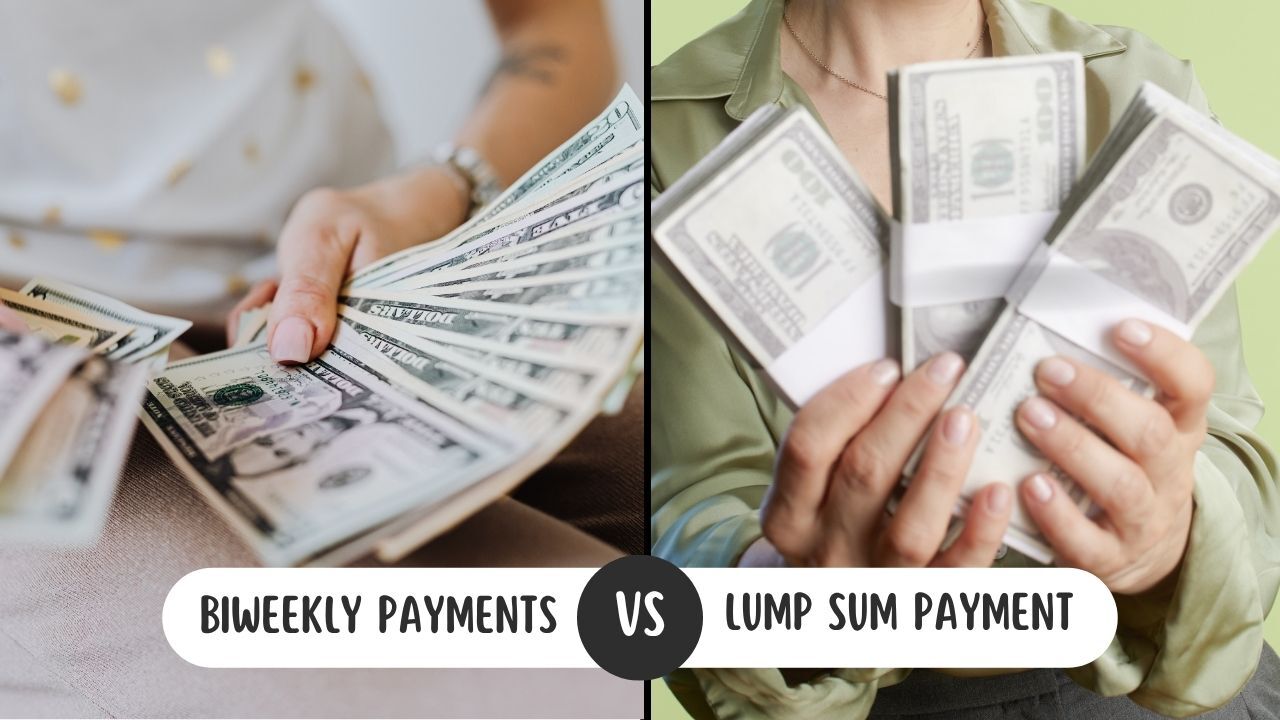
Comparing Biweekly Payments and Lump Sum Payments to See Which Saves More

Homeowners looking to save on interest or shorten their loan term often explore two popular strategies: biweekly payments and lump sum payments. Both can reduce the total interest paid and help you build equity faster, but they work in different ways. Understanding how each method functions can help you decide which fits your financial goals and lifestyle best.

How Biweekly Payments Work
With a biweekly payment plan, you make half of your monthly mortgage payment every two weeks instead of one full payment each month. Since there are 52 weeks in a year, you end up making 26 half-payments, which equals 13 full payments annually instead of 12. That one extra payment each year directly reduces your principal balance.

Over time, this extra payment can save thousands of dollars in interest and help you pay off your mortgage several years early. The best part is that the change feels manageable, since you are simply splitting your payments into smaller amounts rather than paying a large lump sum all at once.

How Lump Sum Payments Work
A lump sum payment involves making an additional one-time payment toward your principal, usually once a year or whenever you receive extra income. This could come from a tax refund, bonus, or inheritance. The lump sum goes directly toward reducing your loan balance, which lowers the amount of interest you pay over time.

Even small lump sum payments can have a big impact if made early in your loan term. The sooner you reduce your principal, the less interest accrues, accelerating your path to becoming debt-free.

Pros and Cons of Each Strategy
Both methods help you save on interest and shorten your loan term, but they differ in flexibility and commitment.

  • Biweekly payments create a steady habit and gradually reduce your balance. However, not all lenders offer official biweekly plans, so you may need to set it up manually.
  • Lump sum payments give you flexibility. You can contribute whenever you have extra funds, but it requires discipline to set aside money and remember to apply it toward your mortgage.

The right choice depends on your financial situation. If consistent budgeting works best for you, biweekly payments might be ideal. If your income fluctuates or you prefer flexibility, lump sums may be a better fit.

Both biweekly and lump sum payment strategies can save you money and help you pay off your home faster. Whether you choose regular smaller payments or occasional larger ones, the goal is to reduce your principal sooner and cut down on interest. Give us a call to discuss which option works best for your loan type and financial goals.

Mortgage Options for Non-U.S. Citizens

Purchasing a home in the U.S. as a non-U.S. citizen is entirely possible, but the process comes with unique requirements and considerations. Whether you are a permanent resident, temporary visa holder, or foreign national, understanding the available mortgage options can help you navigate the path to homeownership successfully.

Can Non-U.S. Citizens Qualify for a Mortgage?

Yes, many lenders offer mortgage options for non-U.S. citizens. However, eligibility is influenced by factors such as residency status, credit history, and income verification. The type of residency you hold will determine the loan programs available to you and the specific documentation required.

Mortgage Options Based on Residency Status

1. Permanent Residents (Green Card Holders – LPRs)

  • Eligible for conventional, FHA, VA, and USDA loans
  • Must provide a valid green card (Form I-551) and proof of income
  • Access to similar loan terms and interest rates as U.S. citizens

2. Non-Permanent Residents (Visa Holders – Work & Study Visas)

  • Eligible for conventional and FHA loans with a valid work visa (H-1B, L-1, O-1, TN, etc.)
  • Must demonstrate continuity of employment and residency
  • Typically require a Social Security Number (SSN) or Individual Taxpayer Identification Number (ITIN)

3. Foreign Nationals (Non-Residents with No U.S. Visa)

  • Must apply for foreign national mortgage programs
  • Typically require a larger down payment (20-30%)
  • Some lenders accept alternative credit verification in the absence of a U.S. credit history

Key Mortgage Requirements for Non-Citizens

  • Credit Score: While a U.S. credit history is preferred, some lenders accept foreign credit reports or alternative proof of creditworthiness.
  • Down Payment: Non-U.S. citizens are often required to provide a higher down payment, typically ranging from 10-30%.
  • Income & Employment Verification: Lenders require proof of steady income, such as U.S. tax returns, pay stubs, or international financial statements.
  • ITIN or SSN: Most loan programs require a Social Security Number (SSN), but some programs allow the use of an Individual Taxpayer Identification Number (ITIN).

Best Loan Options for Non-U.S. Citizens

  • Conventional Loans: Suitable for permanent and non-permanent residents with a strong credit and employment history.
  • FHA Loans: Offer low down payment options for green card and work visa holders.
  • Foreign National Loans: Designed specifically for non-residents and typically require higher down payments and alternative credit verification.
  • Portfolio Loans: Offered by private lenders with flexible requirements but often come with higher interest rates.

Additional Considerations

  • Interest Rates: Rates may vary depending on residency status and credit profile.
  • Documentation: Proper documentation, including visa status, income verification, and bank statements, is essential.
  • Lender Selection: Working with a lender experienced in serving non-U.S. citizens can streamline the process.

Non-U.S. citizens can successfully achieve homeownership in the U.S. with the right mortgage strategy. By understanding your loan options, gathering the necessary documentation, and partnering with a knowledgeable lender, you can make the home-buying process smoother and more accessible.

If you need expert guidance on your mortgage options, reach out today!