
3 ‘Hidden’ Costs You’ll Uncover Buying Your First Home – and How to Plan for Them
 Are you about to become a first-time home buyer? If so, there’s a lot to get excited about. You’ll soon be a home owner, able to customize and improve your living space as you see fit.
Of course, buying a home is an investment unlike any other. To get the best deal on your home, you’ll need to be diligent. Let’s have a look at some of the hidden costs you may uncover when buying your first home.
#1: The Home Inspection (And What It Finds)
A major step before buying any home is the inspection. A licensed inspector will go over the home from top to bottom, looking for current or future issues. The inspection itself isn’t very costly. But any unresolved issues that come up may lead to expensive problems later.
If possible, try to ensure that the seller pays for any necessary repairs. When you take possession of the home, it should be in top condition.
#2: Taxes And Fees You’ve Never Even Heard Of
You already know about the major taxes, such as sales taxes that apply to a home’s sale price. Or property taxes, charged by local governments each year and based on your home’s assessed value. But depending on where you live, there may be a whole host of other taxes and fees involved. Many of which you’ve never even heard of!
For example, you may be subject to a Land Transfer Tax or Property Purchase Tax. These are taxes charged when a property changes hands. If you’re taking out a mortgage loan, the lender may require you to pay land survey or appraisal fees. These costs help the lender to ensure the risk involved with the mortgage is appropriate.
#3: Insurance, Insurance And More Insurance
Finally, don’t forget the cost of insurance. On top of regular home insurance, you may need mortgage insurance, title insurance, extra life insurance and more. It’s worth booking some time with an insurance professional to find out what kind of coverage you will need.
These are three of the possible costs involved in closing the purchase of a new home. For more information about closing costs, contact your trusted mortgage professional. We have the data and insight to help you make the best decision.
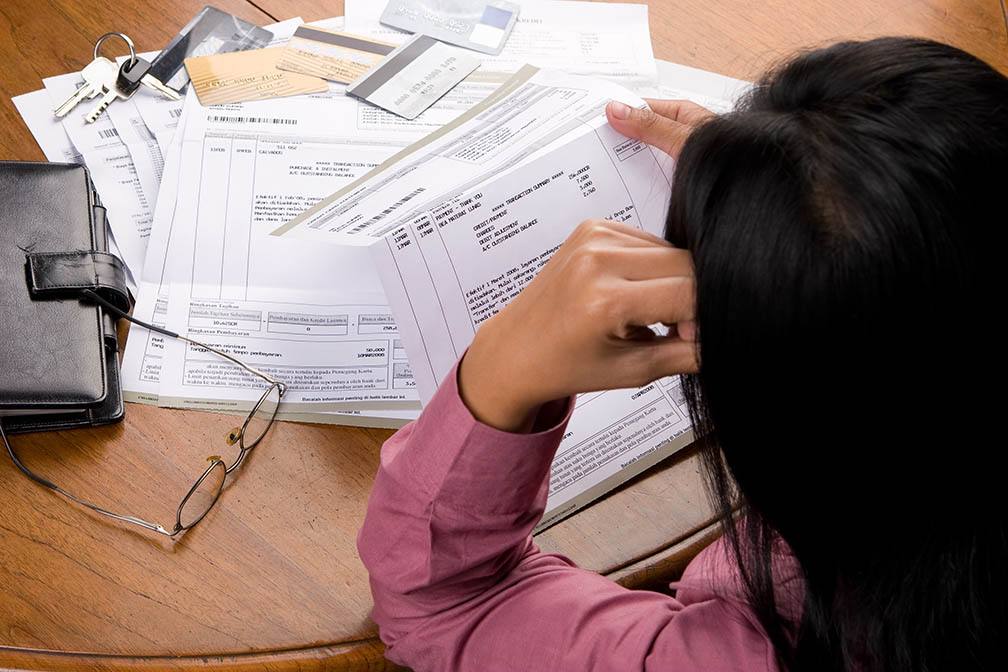 It may feel like a very daunting task to consider buying a home after you’ve declared bankruptcy, and there’s no doubt that it’s an uphill battle. Fortunately, while you’ll have hard work ahead, there are things you can do in order to make your dream of home ownership a possibility. Whether you’ve just declared bankruptcy or some time has passed, here are some things you should consider before getting into the market.
 It can be hard to stay on top of a changing real estate market from day-to-day, but it’s a matter of fact that there are more available mortgage products out there than ever before for many different kinds of homebuyers. If you’re wondering how you can take advantage of easier lending opportunities and strike while the iron is hot, here are some things to consider.