
You Ask, We Answer: How to Choose Between Expanding Your Current Home and Buying a New One
 Does your home feel like it’s starting to burst at the seams? Many homeowners across the country can relate to this feeling having bought a home only to run out of space due to a growing family or for other reasons. Let’s take a quick look at a few questions that will help you to determine whether buying a new home or expanding your current home is the best choice when you’re in need of some extra space.
Why Are You in Need of More Space?
The first question you’ll need to answer is… “why?” Are you running out of space because you’ve decided to start a family and have another child on the way? Or perhaps you’ve decided to start a business out of your home and you’ve outgrown the small room you had set aside as your office? Whatever the case, a major renovation or a move to a new home are both major decisions and ones that shouldn’t be made lightly. Sit down with your family and consider why you need more space and what you would do with a larger home if you had one.
How Much Space Do You Need?
Once you understand the why, the next step is figuring out how much space you really need.
If you’re only missing a single bedroom or want to finish the basement, renovating may be the more reasonable and cost-effective option. But if you’re wishing for multiple new rooms, a larger garage, or more storage than an addition could realistically offer, it may be time to start browsing new listings.
Keep in mind that renovations can solve short-term space issues but may feel limiting down the road if your family—or your lifestyle—continues to grow. If your needs are trending upward, buying a larger home could save you from repeating this decision in a few years.
Other Factors for Consideration
Expanding your current home doesn’t happen in a vacuum. Adding one room often sparks the desire to update others, especially if you’re trying to maintain a cohesive layout or style. Ask yourself:
-
Will this renovation lead to additional projects throughout the house?
-
Is the cost of those potential upgrades worth it?
-
Or would it make more sense to start fresh in a newer home with the features you want already in place?
The true cost of “just one more room” can escalate quickly once you factor in time, disruption, and ripple-effect improvements.
Bringing It All Together
Choosing between expanding your home and moving into a new one depends on your long-term goals, budget, family needs, and how much disruption you’re willing to take on.
Take the time to reflect, weigh your options, and choose the path that sets your household up for comfort and growth in the years ahead.
 Refinancing can be a smart way to lower your monthly payment, reduce your interest rate, or tap into equity for financial goals. Many homeowners wait too long to reconsider their loan, but the right timing can put real money back into your pocket. Understanding when to refinance and how the process works helps you make a confident decision.
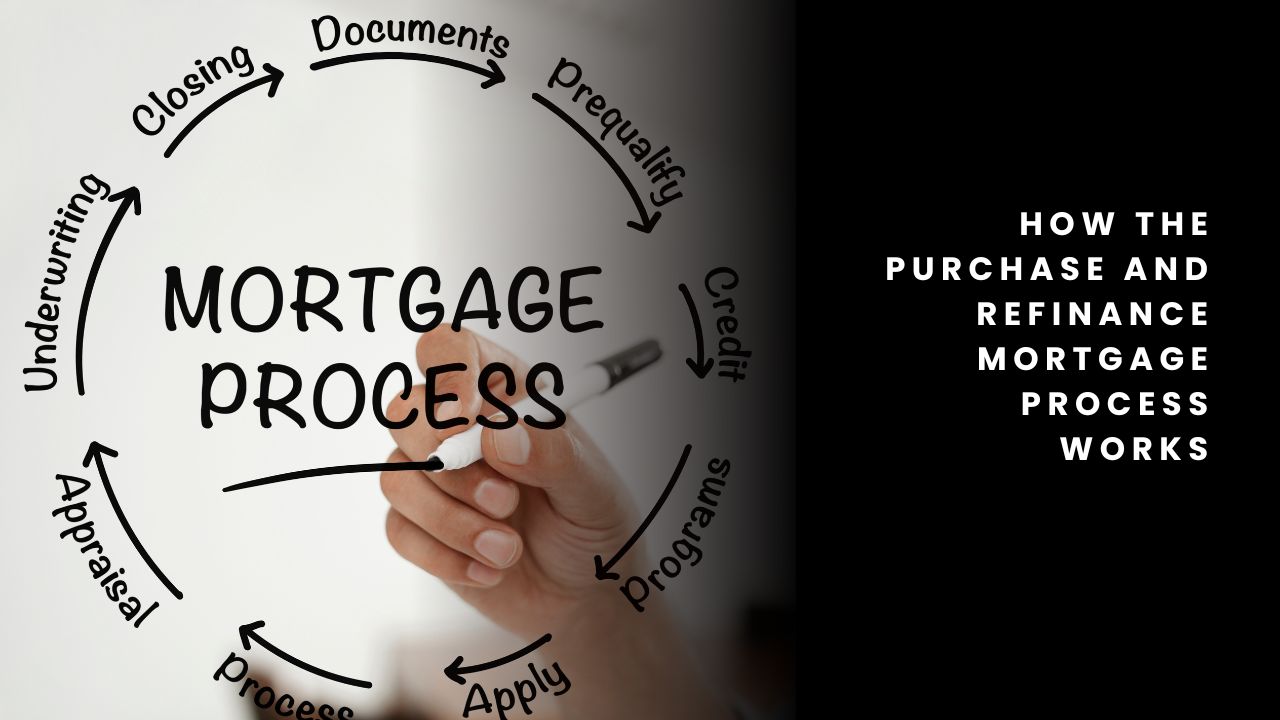 When it comes to home financing, purchasing and refinancing a mortgage share similarities but serve distinct purposes. Understanding how each process works can help you make informed decisions about homeownership and financial planning.