
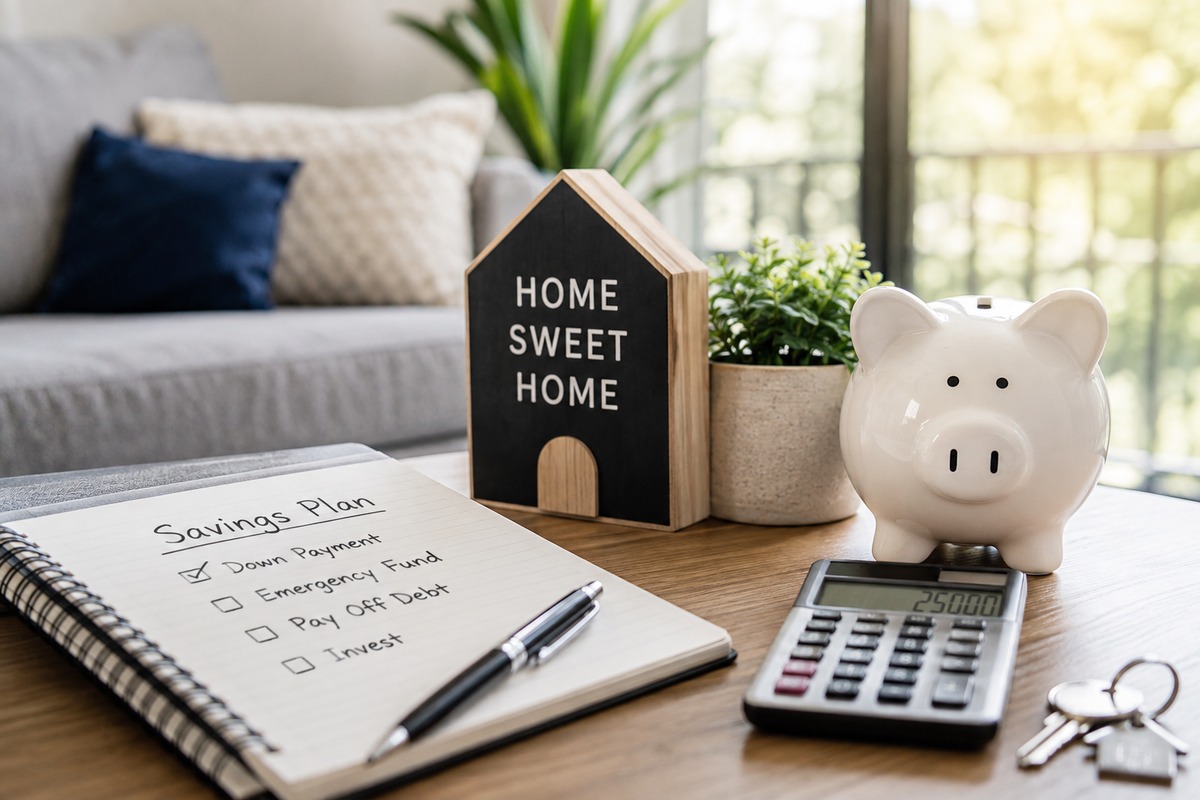
 Saving for a home down payment can feel like one of the biggest hurdles on the path to homeownership. But with the right plan, it’s a goal that’s absolutely achievable.
While a larger down payment can reduce your monthly mortgage payment and the amount of interest you pay over the life of your loan, you don’t always need 20% down to buy a home. Many loan programs allow qualified buyers to purchase with smaller down payments, making homeownership more accessible than many people realize. No matter the amount you’re aiming for, creating a focused savings strategy can help you get there sooner.
1. Open a Dedicated High-Yield Savings Account
One of the easiest ways to stay on track is to keep your down payment savings separate from your everyday spending money.
A dedicated high-yield savings account not only helps reduce the temptation to dip into your savings, but it may also earn significantly more interest than a traditional savings account. Set up automatic transfers each payday so you’re consistently making progress without having to think about it.
2. Reduce High-Interest Debt
If you’re carrying balances on high-interest credit cards, paying them down can be one of the smartest financial moves you can make.
Reducing debt may free up more money each month to put toward your home savings. It can also improve your debt-to-income ratio, an important factor lenders consider when reviewing a mortgage application.
3. Increase Your Savings Rate
While cutting unnecessary expenses can certainly help, increasing your income—even temporarily—can make an even bigger difference.
Consider options such as:
- Freelancing or consulting
- Weekend or seasonal work
- Selling unused items around your home
- Picking up occasional gig work
Direct any extra income straight into your down payment fund. Even a few hundred dollars per month can add up surprisingly quickly.
4. Pay Yourself First
One of the most effective budgeting strategies is to treat savings like any other monthly bill.
Instead of saving whatever happens to be left over at the end of the month, decide on a savings goal first and build your budget around it. Automating your savings helps make the process consistent and removes the temptation to spend that money elsewhere.
Even if you start with a modest amount, consistency over time is often more important than trying to save large amounts all at once.
Final Thoughts
Buying a home is a major financial milestone, and your down payment is just one piece of the puzzle. By creating a dedicated savings plan, managing debt, and staying consistent with your goals, you’ll be better prepared when the right home comes along.
If you’re not sure how much you’ll need for a down payment, speaking with a mortgage professional can help you understand your financing options and determine which loan programs may be the best fit for your situation.
