CALL 818-735-5924 • NMLS #236429 • CA-DRE #01130048

Blog

What Changes Occurred In FHA And FNMA Rules During 2018?

What Changes Occurred In FHA And FNMA Rules During 2018?

The FNMA HomeReady Program

Those who are involved in the mortgage industry must keep updated on changes to FHA, and Fannie Mae (FNMA) loans. Since loan limits and other changes are often made annually, keeping up with these changes helps make sure consumers get the right information at the time of their application.

Many of the changes for 2018 are modest, but still impact existing, and new homeowners.

Changes To Loan Limit Amounts

FHA loan limits change on an annual basis as per the Housing and Economic Recovery Act of 2008. Using this, the FHA is required to base the insured mortgage amounts on 115 percent of median housing prices by county.  While many counties in the United States did not see changes this year, 3,011 counties saw a change for loan applications submitted after January 1, 2018. These changes mean the upper loan limits in higher-priced markets increases to $679,650 and the lower limits are $294,515. These limits are for new home purchases and for refinancing existing FHA loans.

Another significant change which must be considered is what FHA or FNMA considers a conforming loan. In prior years, this amount was $424,100, it has now been increased to $453,100. This is important because for many homeowners, jumbo mortgages seem out of reach.

Changes To Down Payment Requirements

While FNMA did have a minimum requirement for down payment at five percent, FNMA and Freddie Mac are both offering three percent down payment programs in 2018. It is important to be aware that FNMA limits this program to those borrowers who intend to use the home as their primary residence. The following conditions must be met to qualify for the 97 percent loan to value program:

  • The mortgage securing the property must be at a fixed rate
  • The property must be a co-op, PUD, condo or other one-unit home.
  • The property cannot be a manufactured home
  • The borrower must intend to occupy the property as their primary residence
  • One of the buyers cannot have owned a home in the last three years
  • Loans must be equal to or less than $453,100
  • Borrower’s credit score should be 620 or higher

FHA loans do require borrower to put down a minimum of 3.5 percent of their new mortgage. However, the also offer greater flexibility with credit requiring borrowers have a credit score of 580 and further allows the entire down payment to be gifted to the buyer. Borrowers with credit scores between 500 and 579 who can put down 10 percent are eligible for FHA mortgages.

Another important program FNMA offers is for first-time buyers. Specifically, the idea was to make owning a home easier for a larger market of buyers. This program offers some flexibility that standard FNMA loans do not offer including:

  • Lower private mortgage insurance (PMI) rates
  • 100 percent gifted down payments and closing costs
  • 97 percent loan to value
  • Co-borrower income may be used to qualify for a loan
  • Household member income may be included, even if not a borrower
  • Rental income and/or boarder income may help a borrower qualify
  • Borrowers must complete a home buyer’s education course

These changes are significant for many borrowers and include some flexibility with income limits. Borrowers living in low-income areas face no maximum income limits. Borrowers in other areas cannot exceed 100 percent of the median income for the area.

Do Not Overlook FHA Streamline Refinance

Borrowers who have an existing FHA loan can take advantage of this program. Borrowers who changed jobs, have faced credit issues, or who have homes who lost some value may be able to refinance their home into a lower interest rate, or eliminate mortgage insurance premiums. To qualify, borrowers must be current on their mortgage payments, cannot have been late on their mortgage payments more than 30 days in 12 months, and have had their current mortgage for a minimum of 210 days. Because of this seasoning requirement, borrowers must have made six mortgage payments at the time of the refinancing.

Thanks to the flexibility of this program, borrowers need not worry about income verification, appraisals, or credit score. The refinance terms must benefit the borrower in a tangible way. For example, a borrower who currently has a six percent adjustable mortgage and now qualifies for a six percent fixed rate mortgage can demonstrate a tangible gain. Therefore, assuming they meet the other requirements, their mortgage would qualify for the streamline finance. For many borrowers, this could help significantly, particularly if their home has lost value, or they have suffered a temporary decrease in their income.

Mortgage programs change frequently making it imperative to verify all program requirements before presenting them to borrowers. Fortunately, FNMA and FHA are making home ownership attainable for more borrowers than ever before thanks to more flexible down payment options, credit scoring changes and increased loan limits.

7 Excellent Ideas For Building An Eco-Friendly Home

7 excellent ideas for building and eco friendly homeIn recent years, building an environmentally friendly home or updating an existing home to be more energy efficient has become much more mainstream. While building an entirely green residence isn’t always fiscally possible, simple eco-friendly building techniques and upgrades will ultimately lower your water and electricity bills.

These green home improvements will save you money in the long run, while also saving the planet. The following are some of the easiest ways to lower your carbon footprint when building or updating a home. 

Build or Purchase a Smaller Home

Smaller homes naturally have a lower impact on the environment. There is less square footage to cool and heat, which keeps energy consumption down. However, this doesn’t mean that you need to give up your dream home. Instead, create an ideal floor plan with usable space, and downsize rooms you know you will not use on a daily — or even weekly — basis. 

Use Energy-Efficient Windows

When building a home or updating an existing home, use Energy Star-labeled windows. This important label means that the Environmental Protection Agency (EPA) has deemed them as energy efficient. The money saved on future heating and cooling bills often more than make up for the initial cost differential. 

Use Energy-Efficient Products

Like windows, certain appliances are also Energy Star-labeled. Energy Star appliances conserve energy, without sacrificing performance. Everything from a single light bulb to a geothermal heat pump can come with this important, government-approved label. 

Use Proper Insulation

Heating and cooling typically accounts for approximately half of a home’s energy consumption, and this energy usage is often wasted due to poor insulation. Start by making sure there are no drafts by windows and doors. This is one of the easiest things you can do to reduce your carbon footprint and the price of your monthly bills.

Install Solar Panels

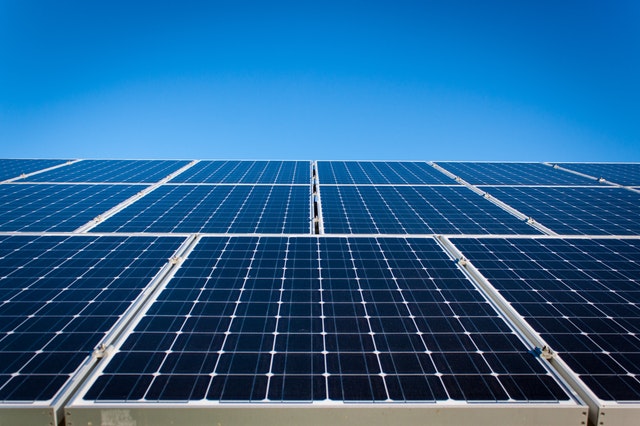
Solar energy is both clean and renewable, and solar panels are the perfect way to harness this remarkable form of energy. While the initial cost of installation can seem high, the money saved in the long term is extraordinary. Plus, there are often tax breaks and other monetary incentives. When building a new home, consult with a knowledgeable architect about positioning the property and the solar panels for maximum sun exposure.

Use Sustainable Building Materials

Sustainable building materials can be utilized throughout the entire building process. When picking out wood for the frame of the home, use a supplier who practices an environmentally friendly planting and harvesting process. Once in the design phase, consider bamboo and/or cork flooring. They are both eco-friendly and trendy. 

Save Water

There are numerous ways to cut back on water usage. To start, install low-flow aerators on toilets and shower heads, invest in a tankless water heater and only use an Energy Star-rated washing machine. Next, capture rainwater on your property in a cistern or barrel. This water can be used for landscaping and irrigation.

Creating a green home doesn’t have to be complicated. Simple updates and a bit of forethought can drastically reduce monthly bills, while simultaneously reducing fossil-fuel emissions. 

The Four Best Questions To Ask Before Refinancing Your Mortgage

The Best Questions to Ask Before Refinancing Your Mortgage1) Do I have enough equity to get a mortgage?

To get a conventional loan, you will usually need to have at least 20 percent equity. This means that your house will have to be worth at least $250,000 to get a $200,000 loan. If you have less equity, you could end up having to pay for private mortgage insurance, which can easily add $100 or more to your monthly payment.

2) How’s my credit?

Most lenders will look at your credit score as a part of determining whether or not to make you a loan. With conventional lenders, your rate will depend on your score and the higher it is, the lower your payment will be. Other lenders, like the FHA and VA programs have an all or nothing rule. If you qualify, your rate won’t be based on your credit, but if your score is too low, you won’t be able to get any loan. 

3) What do I want to accomplish?

Mortgages typically offer a choice as to their term. While the 30-year loan is the most popular, shorter term mortgages save you money since you pay less interest over their lives. They also get you out of debt sooner, at least with regard to your house.

The drawback is that they carry higher payments since you pay off more principal every month. This can make them less affordable for some borrowers.

4) How’s my current loan?

If you have an adjustable rate mortgage, you may want to switch to a fixed rate mortgage simply for the additional security it offers you. On the other hand, if you are planning to move relatively soon, your current mortgage could be a better deal whehter it’s fixed- or adjustable-rate.

When trying to decide what to do, compare the cost of refinancing with what it would cost you in additional interest to hold on to your existing loan. While the breakdown is different for every borrower, generally, you’ll need to keep your current house and loan for anywhere from three to six years to break even on the costs of refinancing.

Deciding what to do with your mortgage can be complicated. Working with a qualified loan broker that can consider every angle with you can help you to make a better decision.