
The Psychology of Waiting Too Long to Buy
 Many buyers believe they are waiting for the right market moment. In reality, they are often waiting for emotional certainty. Mortgage decisions carry weight because they involve long-term debt, income evaluation, and financial visibility. However, delaying action without a defined financing strategy can quietly cost more than moving forward with preparation. The issue is rarely timing alone. It is usually uncertainty about qualification strength, payment comfort, or risk tolerance.
Rate Watching Creates Paralysis
Interest rates move in cycles. Buyers who focus exclusively on predicting the lowest possible rate often remain on the sidelines indefinitely. The difference of a fraction of a percentage point may feel significant, but the total cost impact must be evaluated against rising property values, rent payments, and delayed equity growth. Mortgage strategy is about total financial positioning, not chasing short-term fluctuations.
Undefined Benchmarks Lead to Indefinite Delay
Waiting without criteria creates paralysis. Buyers should define clear readiness markers, such as a target credit score, a specific savings threshold, or a maximum debt-to-income ratio. When these benchmarks are measurable, action becomes logical rather than emotional. Without them, hesitation feels responsible but lacks structure.
Preparation Outperforms Prediction
Borrowers who strengthen credit profiles, reduce revolving debt, and increase reserves improve loan options significantly. Preparation expands access to competitive terms and better pricing. Focusing on financial strength creates leverage, regardless of minor rate shifts. Waiting for perfect conditions without strengthening fundamentals wastes valuable time.
Opportunity Cost Is Real
Each year of delay may mean another year of rent without equity accumulation. It may also mean purchasing at a higher price point later. While markets fluctuate, disciplined borrowers who prepare strategically position themselves to act confidently when the opportunity aligns with their financial profile.
Mortgage readiness is not about predicting the market. It is about strengthening your financial position so that when the numbers align, you can move decisively. If you are evaluating whether now is the right time, the real question is whether your financing strategy is defined. Ready to review your mortgage readiness and build a structured plan? Reach out today to evaluate your options with clarity.
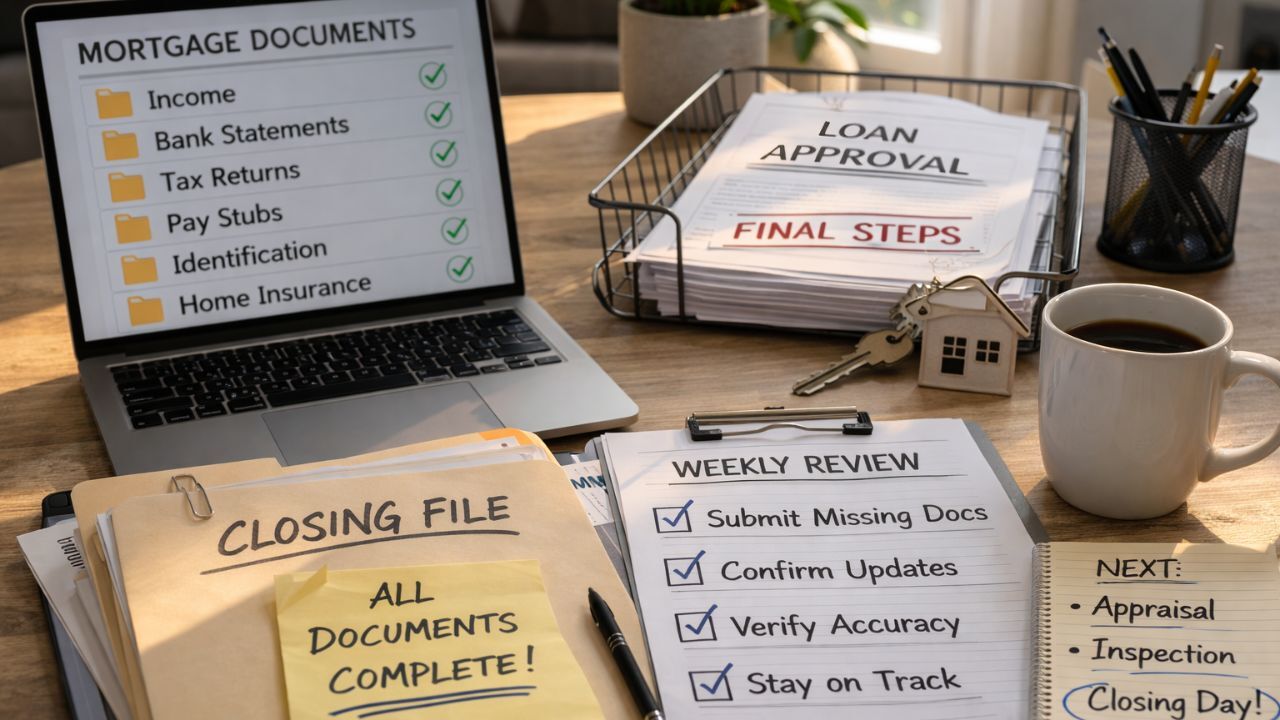 The mortgage process requires documentation, and organization often determines whether closing feels chaotic or controlled. Many buyers experience stress not because the process itself is overwhelming, but because paperwork is scattered, emails are buried, and requests feel never ending. When documents are difficult to locate or submitted late, small delays can create larger frustrations. The good news is that a simple, intentional system can completely transform the experience.
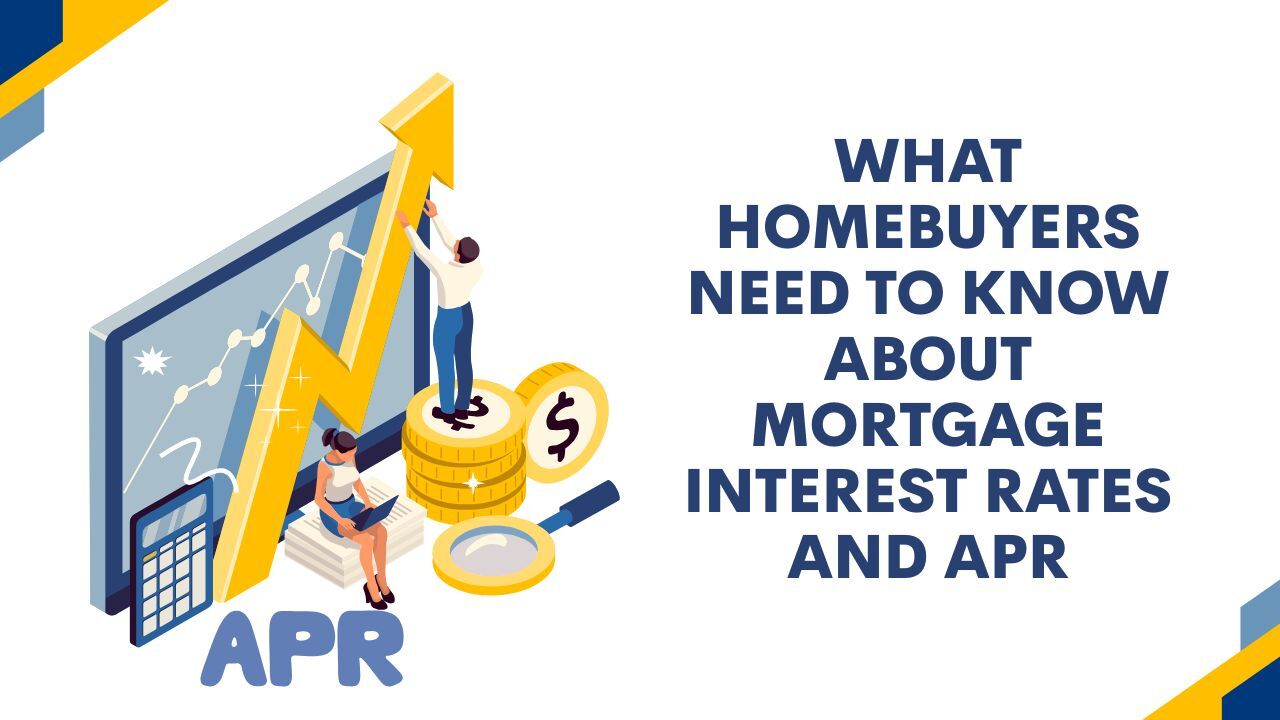 When applying for a mortgage, borrowers are often presented with several important numbers that determine the true cost of the loan. Two of the most discussed figures are the mortgage interest rate and the annual percentage rate, also known as APR. While these terms are closely related, they are not the same. Understanding the distinction between interest rate and APR is essential for comparing loan offers accurately and making informed financial decisions.