
Multi-Generational Living: Our Guide to Buying a Home That Suits Your Whole Family
 It was very common decades ago for several generations of a family to live together, and this may have included kids, parents, grandparents and even great-grandparents in some cases. Today’s modern homes are generally designed to accommodate a more traditional modern family, which includes only parents and kids or for only a married couple without kids. When you are buying a home for other generations as well, it is important for you to pay attention to a few important points.
The Right Living Spaces and Accommodations
Generally, a home with a floor plan that is most suitable for multiple generations is one with different wings of bedrooms and several different living areas. There is something to be said for togetherness, but you may find that having several different living areas as well as having a floor plan that keeps older family members’ bedrooms away from the bedrooms of younger family members is a good idea.
After all, there will be plenty of times when older family members may want to chit chat or read a good book in a living area while others may want to turn on the TV or music. In addition, they may have different sleeping schedules, and noise from either of their rooms can be bothersome.
Special Considerations for Older and Younger Generations
You should also think about the special needs of older and younger generations. Very young family members, for example, may benefit from a large, enclosed backyard, a play room and well-insulated windows or a home location removed from loud busy roadways. Older generations may prefer a bedroom on the first floor, special safety features in the bathroom and a home without many steps or steep elevations outdoors.
It may be challenging to find a home that can accommodate older and younger generations perfectly, so some modifications may need to be made to a home after purchasing it.
Finding the perfect home for a basic nuclear family is rarely easy, and your challenges may be more significant when you are searching for a home for a multi-generational family. While you may have more needs and desires when looking for a home that is ideal for a larger number of people with more variation in their ages, the fact is that most will be able to find a great home that is ideal for most or all of their needs with a little time and effort.
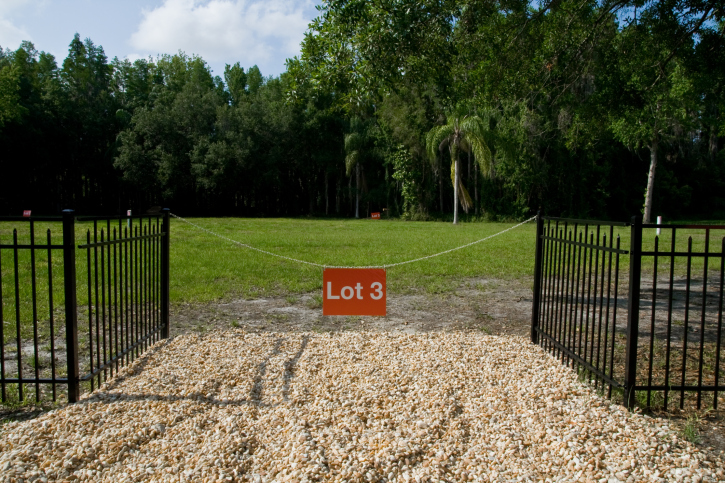 When many people think about investing in property, they think about purchasing income-producing real estate such as a residential property or an office building with tenants. There are indeed many benefits associated with investing in income-producing property. For example, these properties may produce rent that can offset your ownership expenses. However, buying raw land can also be an excellent long-term investment strategy.
 Relocating to a new area can be exciting, but it can also be expensive. There are many resources to help, but most cost money. However, if you take your time and plan carefully, you can reduce the expense so you don’t start your new life with new debt. Here are three tips to controlling your moving budget.