What Happens When the Seller Has Not Paid Off a Home Improvement Loan?
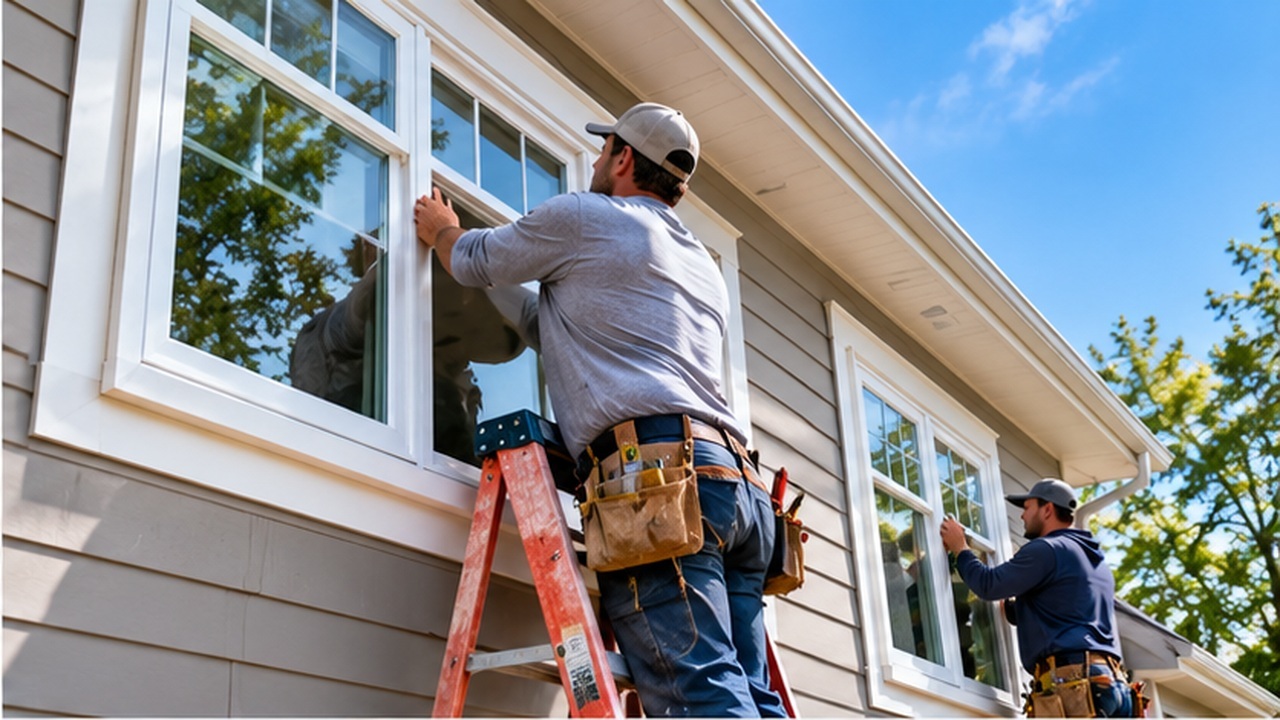
A newly installed roof, upgraded windows, or modern heating system can make a home more attractive to buyers. However, what happens when the seller is still making payments on those improvements?

Depending on how the work was financed, an outstanding home improvement loan could affect the sale, the title review, and even the buyer’s mortgage closing.

Not All Home Improvement Loans Work the Same Way
Homeowners finance improvements through several methods, including personal loans, home equity loans, contractor financing, and property-assessed financing programs.

Some financing arrangements are unsecured, meaning the loan is based primarily on the borrower’s credit rather than a claim against the property.

Others may be secured by the home, creating a lien or another obligation that must be addressed during the sale.

This distinction matters because an unpaid personal loan does not necessarily interfere with transferring ownership, while a loan secured by the property may need to be resolved before closing.

Why the Title Search Matters
During the mortgage process, a title search helps identify recorded liens, ownership issues, and other claims affecting the property.

If the seller financed a renovation through a loan secured by the home, the outstanding balance may appear in the title records.

The title company and closing professionals will determine what must be paid or released to provide the title required for the transaction.

In many cases, the seller can use proceeds from the sale to pay off an outstanding secured loan. However, the payoff amount and necessary documentation must be obtained before the transaction is finalized.

Special Considerations for Property-Assessed Financing
Some energy-efficient improvements are financed through Property Assessed Clean Energy, commonly called PACE, programs.

Unlike traditional personal loans, these obligations may be collected through property tax assessments.

Depending on the program and mortgage requirements, an outstanding PACE assessment can create additional questions about lien priority, payoff obligations, and whether the financing arrangement is acceptable.

Buyers should never assume that an obligation can simply remain attached to the property without affecting their mortgage.

What Buyers Should Ask Before Closing
If a seller advertises recently completed improvements, buyers can ask whether the work has been fully paid for.

They should also find out whether any financing arrangements, warranties, or service agreements are connected to the improvements.

The goal is not to discourage buyers from purchasing homes with recent renovations. Instead, it is to make sure that the financial obligations associated with those improvements are clearly understood.

A beautiful renovation can add appeal to a property, but the paperwork behind it matters too. Addressing outstanding financing early helps protect the transaction from unexpected delays and gives buyers greater confidence about what they are purchasing.
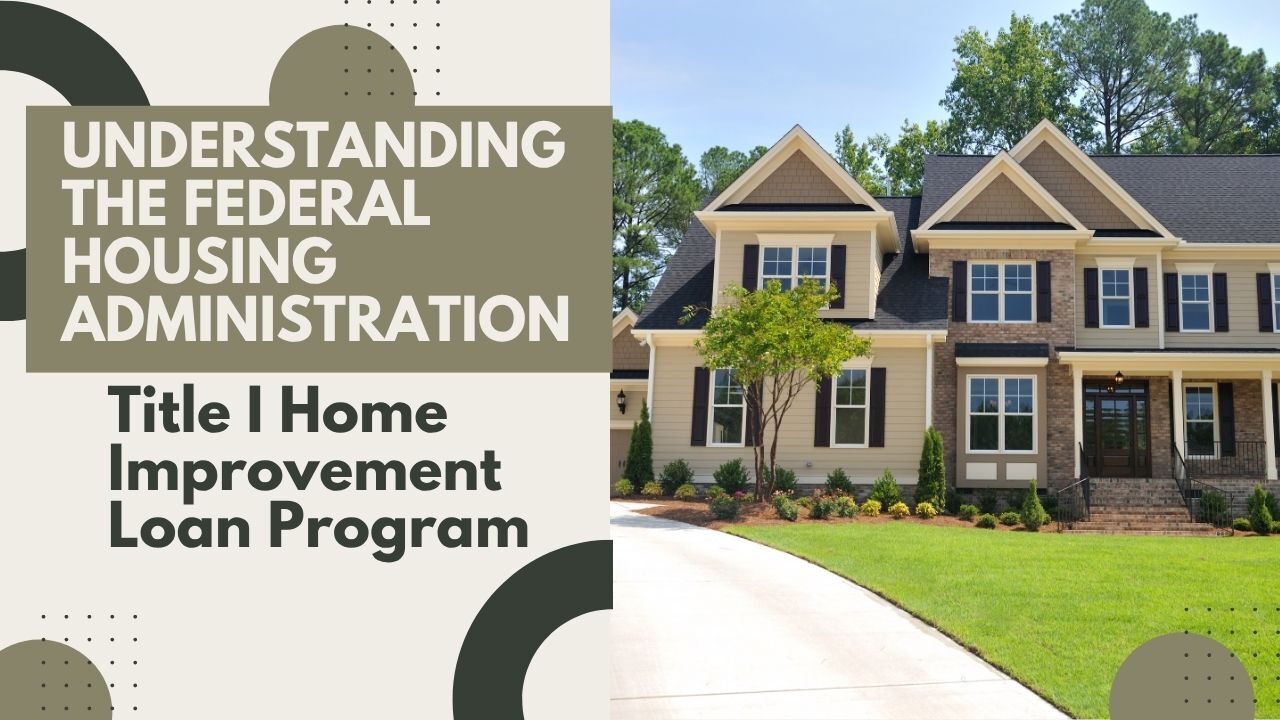
Understanding the Federal Housing Administration Title I Home Improvement Loan Program

Introduction to the Program
The Federal Housing Administration Title I Home Improvement Loan Program is a government-backed initiative designed to help homeowners finance necessary repairs, upgrades, and improvements to their primary residence. Established under the National Housing Act, this program makes funding accessible for individuals who may not qualify for traditional home equity loans due to limited equity or lower credit scores.

Purpose and Scope of the Loan
This loan program was created to support the maintenance and improvement of existing housing, thereby preserving the nation’s housing stock and enhancing community stability. The funds can be used for a wide range of home improvement projects that improve livability, utility, or safety. These improvements can include roofing, plumbing, structural repairs, heating and cooling systems, accessibility modifications, and more.

Who Is Eligible to Apply
To qualify for the Federal Housing Administration Title I loan, applicants must be the owner of the property and occupy it as their primary residence. In some cases, tenants may also qualify with the property owner’s approval. There is no minimum home equity requirement, which makes this loan especially helpful for newer homeowners or those living in areas with modest property values.

Loan Terms and Limits
The Federal Housing Administration Title I loan is available for both single-family and multifamily properties. For single-family homes, the maximum loan amount is typically thirty-five thousand dollars, with repayment terms extending up to twenty years.

Interest rates are set by the individual lenders and are generally based on the current market. These loans are unsecured; this feature reduces risk for the homeowner and simplifies the application process.

Permitted Uses of Funds
Loan proceeds must be used for permanent improvements that enhance the use or value of the property. Common eligible uses include:

  • Roof repair or replacement
  • Window and door replacement
  • Plumbing and electrical system updates
  • Heating and air conditioning installation
  • Accessibility enhancements for individuals with disabilities
  • Kitchen and bathroom remodeling
  • Energy efficiency improvements

Benefits of the Program
The Federal Housing Administration Title I Home Improvement Loan Program offers several key benefits to borrowers:

  • Accessibility for homeowners with limited equity
  • Flexible use for a broad range of essential home improvements
  • Long repayment terms that help manage monthly payments
  • No need for a home appraisal or significant documentation in many cases
  • Government insurance reduces risk for lenders, increasing borrower eligibility

These features make the program an attractive option for homeowners who need to make critical updates without taking on a second mortgage or drawing from existing equity.

How to Apply
To apply, homeowners should first contact a lender that is approved to offer Federal Housing Administration Title I loans. The lender will review the borrower’s financial situation, discuss the scope of the improvement project, and guide the borrower through the documentation and underwriting process.

A Practical Option for Necessary Home Upgrades
The Federal Housing Administration Title I Home Improvement Loan Program provides a practical, accessible financing option for homeowners who need to invest in the safety, efficiency, and longevity of their property.

For homeowners who need to repair, upgrade, or improve their home without significant equity or savings, this program may serve as a responsible and effective solution.

DIY Improvements Do Not Have To Be Expensive: A Few Examples

DIY Improvements Do Not Have To Be Expensive: A Few ExamplesThere are many do-it-yourself (DIY) home improvement projects that can be completed on a budget and still have a significant impact. Enhancing the appearance and functionality of your home doesn’t have to be costly or time-consuming. 

New Light Fixtures

One simple and affordable way to update your home is by replacing old or outdated light fixtures. New light fixtures can give your home a fresh, modern look and can also help to improve the overall lighting in your living spaces. There is a wide variety of styles and price points to choose from, so you can find a light fixture that suits your tastes and budget. Keep in mind that working with electricity can be dangerous, so be sure to turn off the power before attempting any DIY electrical work.

New Cabinet Handles

Upgrading the hardware on your kitchen and bathroom cabinets can make a surprising difference in the overall appearance of these spaces. Replacing old, worn-out handles with new ones can give your cabinets a fresh, updated look. Cabinet handles come in a range of styles, materials, and prices, so you can easily find options that complement your home’s decor and fit within your budget.

New Faucets for Tubs and Showers

Another affordable DIY home improvement project is updating the faucets on your tubs and showers. Over time, faucets can become corroded or develop leaks, which can lead to wasted water and higher utility bills. Installing new faucets can improve the functionality of your plumbing fixtures and give your bathroom a more polished appearance. Be sure to research the proper installation techniques and gather the necessary tools before attempting this project.

A Fresh Coat of Paint

One of the most cost-effective ways to transform the look of your home is by applying a fresh coat of paint. A new paint color can completely change the atmosphere of a room and can help to cover up any scuffs, scratches, or stains on your walls. Painting a room is a relatively simple DIY project that requires only a few basic tools and supplies, such as paint, brushes, rollers, and painter’s tape.

Wrapping Up Your DIY Home Improvements

As you can see, there are several affordable DIY home improvements that can have a significant impact on the appearance and functionality of your living spaces. By tackling projects like installing new light fixtures, updating cabinet handles, replacing faucets, and applying a fresh coat of paint, you can refresh your home without spending a fortune. With a little creativity and effort, you can transform your home on a budget and enjoy the satisfaction of completing these projects yourself.