
Preparing Financially for a Jumbo Loan Application
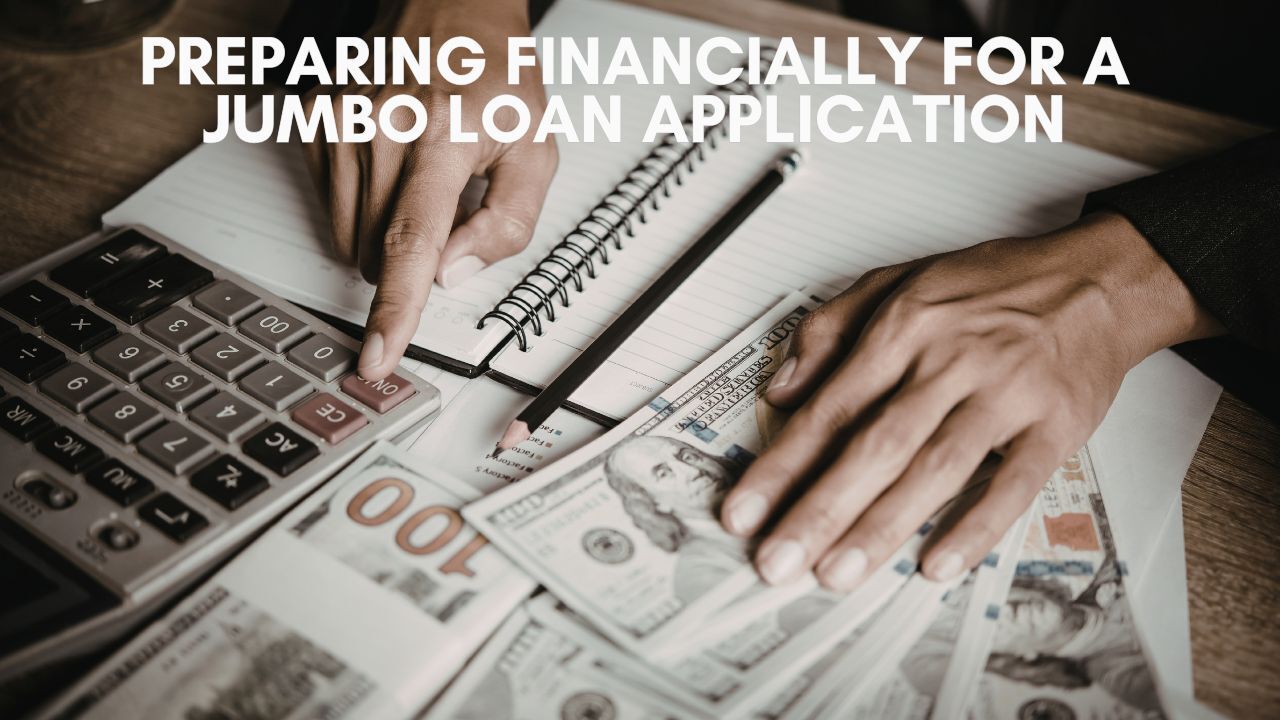 Jumbo loans exceed conforming loan limits and often require stronger financial positioning. Borrowers pursuing higher loan amounts must prepare for more detailed underwriting review and stricter qualification standards. Advanced preparation increases approval strength and pricing competitiveness.
Stronger Credit Expectations
Jumbo lenders typically require higher credit scores compared to standard loan programs. Even small score improvements can impact rate pricing significantly at larger loan amounts. Reviewing credit reports early allows time for optimization.
Lower Debt-to-Income Ratios
Jumbo underwriting often favors conservative debt-to-income positioning. Reducing revolving balances or eliminating smaller installment loans before applying can strengthen ratios. Cleaner financial profiles improve both approval probability and negotiation leverage.
Substantial Cash Reserves
Lenders commonly require documented reserves equal to several months of mortgage payments. Larger loan amounts increase reserve expectations. Maintaining accessible liquidity demonstrates financial stability and reduces lender risk.
Asset Documentation Precision
Because jumbo loans involve higher exposure, asset verification is typically more rigorous. Organizing statements, tracking transfers clearly, and avoiding unexplained deposits simplifies underwriting review.
Property Appraisal Scrutiny
High value properties may require additional appraisal diligence. Comparable sales must justify valuation. Buyers should be prepared for potential valuation review timelines.
A jumbo mortgage requires disciplined preparation and financial transparency. If you are considering a higher loan amount and want to evaluate readiness before applying, reach out to review your qualification strategy thoroughly.

 Carrying debt is a common problem that people have. Some of the most common types of debt include student loans, credit cards, and motor vehicles. When you are interested in buying a new home, you often think about whether or not your debt is going to hurt your chances of qualifying for a new mortgage.