
What’s Ahead For Mortgage Rates This Week – December 11, 2017
 Last week’s economic reports included readings on projected top housing markets for 2018, weekly readings on mortgage rates and new jobless claims. Labor sector readings on private-sector job growth, private and public-sector job growth and the national unemployment rate were released. Projected top housing markets in 2018 were also released.
Realtors Release Projections for Top Housing Markets in 2018
Prospective homebuyers and retirees facing home affordability issues in metro areas such as New York City and the West Coast are seeking affordable housing markets according to data released by the National Association of Realtors®.
The top three housing markets for 2018 are expected to be Las Vegas, Nevada with a median home price of $285.405 and expected annual price growth of 6.90 percent. Dallas Texas held second place with a median home price of $339,000 and expected annual home price growth of 5.60 percent. Deltona, Florida held the third position for top housing markets in 2018. Deltona is located between Daytona Beach and Orlando, Florida. Within the city of Deltona, home prices average $159,000 in Deltona and $275.000in the metro area. Home prices are expected to grow at an annual rate of 6.0 percent.
Home prices continue to be driven by low supplies of homes for sale. High demand is causing prices in many metro areas to rise to unaffordable levels/ Retirees who are no longer tied to pricey metro areas are moving to less costly neighborhoods.
Mortgage Rates Rise, Jobless Claims Fall
Freddie Mac reported higher mortgage rates across the board. The average rate for a 30-year fixed rate mortgage rose 0.04 basis points to 3.94 percent. 15-year fixed mortgage rates averaged 0.06 basis points higher at 3.36 percent. The average rate for a 5/1 adjustable rate mortgage was 0.03 basis points higher for an average rate of 3.35 percent. Discount points average 0.50 percent for fixed rate mortgages and 0.30 percent for 5/1 adjustable rate mortgages.
First-time jobless claims were lower last week, with 236,000 new claims filed against expectations of 240,000 new claims filed and the prior week’s reading of 238,000 new jobless claims filed. According to November’s federal Non-Farm Payrolls report, government and private sector payrolls grew by 228,000 jobs as compared to expectations of 200,000 new public and private sector jobs added and the prior month’s reading of 244,000 jobs added.
ADP reported 190,000 private-sector jobs added in November as compared to 235,000 new jobs added in October. The national unemployment rate held at 4.10 percent, which was the lowest level in almost 17 years.
What‘s Ahead
This week’s economic readings include releases on inflation, the Fed’s FOMC post-meeting statement, Fed Chair Janet Yellen’s press conference along with weekly readings on mortgage rates and new jobless claims.
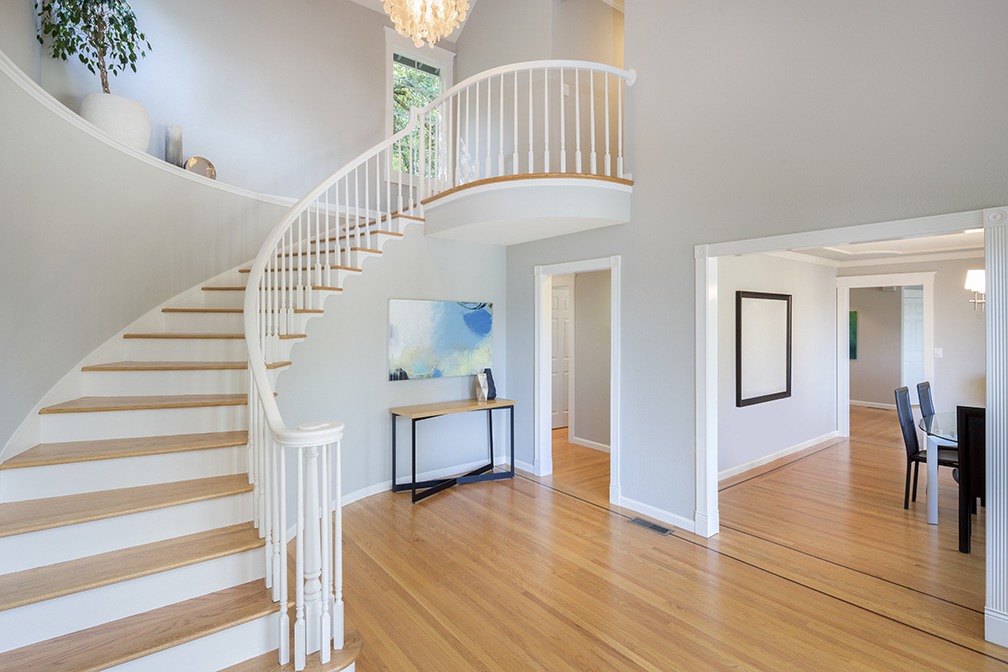 Whether you are renovating an older home or putting the finishing touches on a new one, you would be amiss if you did not consider how to include furniture and other items made of wood. With a diverse range of colors and textures, wooden features are a must-have for any modern home design. Let’s take a look at three ways that you can use wood to add a little spice to your home decor.
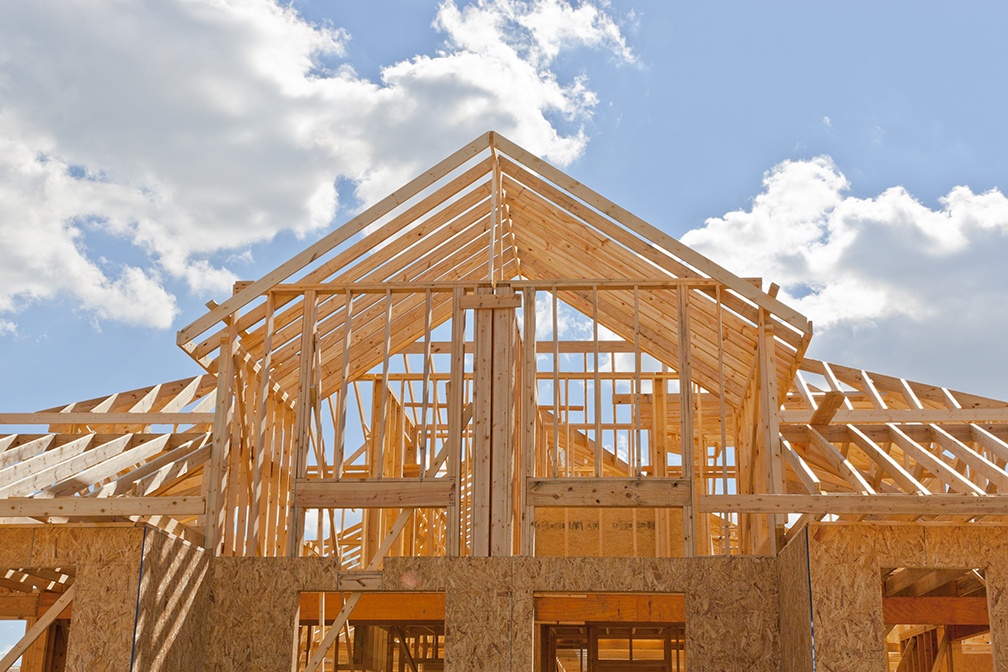 Are you in the market for a new house? If so, you may have been comparing your options when it comes to open listings on the local market. One decision you will need to consider: do you want to purchase an existing home or build a new one? Let’s explore a few reasons why new construction homes are a popular choice for today’s home buyer.