
How to Determine How Big of a Down Payment You Need
 Whether or not you’re new to real estate, there’s little doubt that you’ve heard the term down payment as it relates to purchasing a home. There’s a lot of different information out there in regards to how much this figure should be and it can be hard to determine exactly what the importance of this payment is. If you’re trying to determine the ideal amount to put down, here are some things to consider.
Explaining Down Payments And Why They’re Important
The down payment is probably one of the largest single payments you’ll make for anything, and this is why so many people save for years. When you buy a home, the down payment is the amount of money that goes into the initial home investment, and this is taken off of the cost of the house. In essence, while this money qualifies as an asset, it is tied up in paying off the total cost of your home.
The Differing Amounts For Down Payments
It’s often the case that many figures are thrown around in regards to the ideal down payment percentage, and they generally vary from 3-20% of the home’s cost. If you are paying a percentage on the low side of the scale, this can unfortunately mean that you will have fewer mortgage options and will be stuck with an increased interest rate. The amount you should pay depends on your financial health and purchasing commitment, but the larger the down payment is, the more minimal your monthly payments will be.
Deciding The Perfect Percentage
Saving up 20% of a home’s total price may seem like a lot of time and effort, but this can be the ideal amount to put down. In addition to lowered monthly payments and a better interest rate, you’ll also be able to avoid Private Mortgage Insurance (PMI), which is required if you put down less than 20%. There is no right answer to the question of how much to put towards a down payment, but you may end up spending less in the long run if you can invest more in the beginning.
There are many figures thrown around when it comes to real estate, but the amount of a down payment should be economically feasible for you and enable you to make your monthly payments consistently. If you’re planning on purchasing soon and are looking for home options, you may want to contact your trusted mortgage professional for more information.
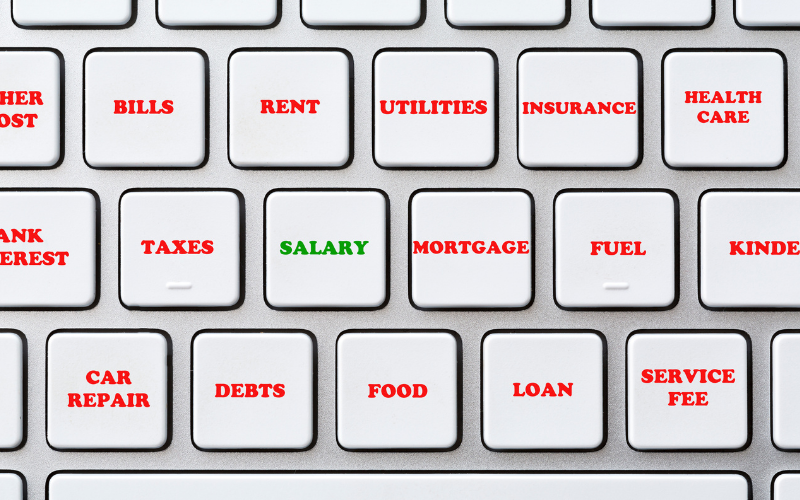 Even though a lot of people have two incomes they can use to purchase a house (theirs and their partner’s), this is not necessarily required. There are lots of people who want to take advantage of current interest rates to purchase a house, and some people are trying to do it on their own. Even though it can be a challenge to buy a house with only one income, it is certainly not impossible. There are several tips that can make it easier for everyone to afford a house with just a single income.
  Many people romanticize the idea of paying off their home mortgage early so they can enjoy their home in retirement, but when it comes to the later years of life, a big house can actually be too much to handle. If you’ve started to consider a smaller home and are wondering why it might be a good decision for you and yours, here are a few things you may want to consider.