
Is an ARM Loan Right for You?
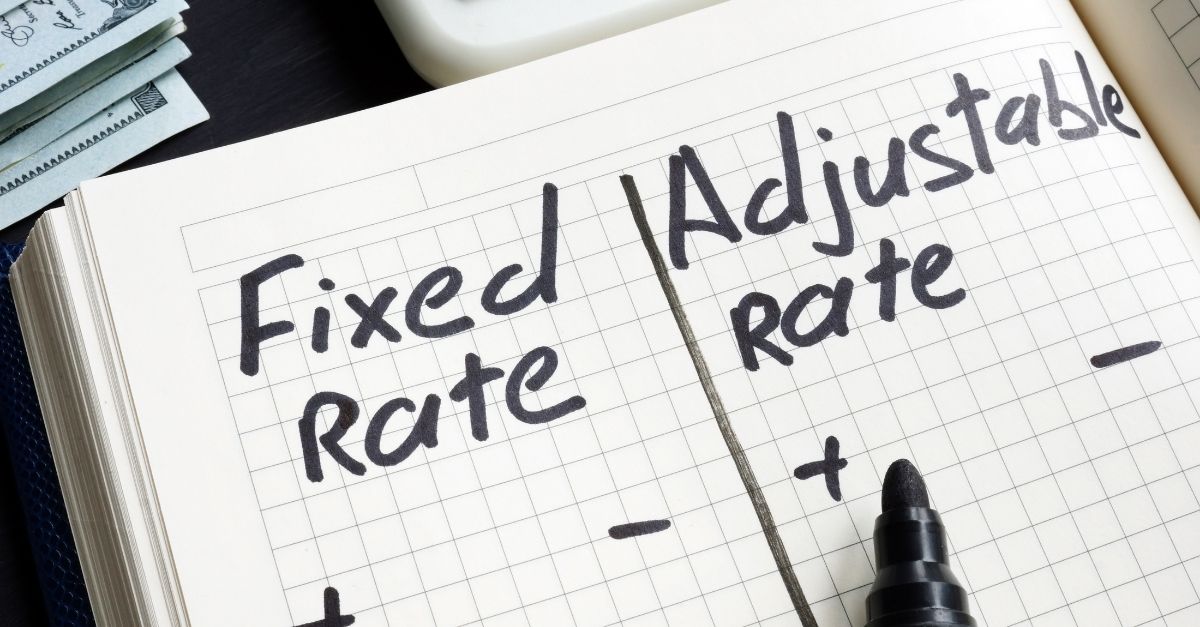 In today’s competitive housing industry, it’s important to find the loan that’s right for you. With the low-interest-rate environment, many buyers wonder if an ARM loan is the best choice. Here’s everything you should consider before choosing an ARM loan.
Understanding how an ARM Loan Works
An ARM loan offers an introductory rate. The rate remains fixed for the first few years. After the fixed period, the rate adjusts annually based on the index (such as LIBOR) and the chosen margin set by the lender.
Many buyers prefer the ARM because the initial payment is much lower so they can afford a larger loan. With the potential of increasing rates in the near future, many buyers are looking at the ARM for its lower cost.
A fixed-rate loan, on the other hand, starts at one rate and remains the same. Your payment never changes unless you escrow your taxes and insurance, and those rates change throughout the time you own the home.
Pros and Cons of the ARM Loan
Pros:
- Lower payment for the first few years
- You may be able to pay more principal each month with the lower payment
- Rates may decrease in the future
Cons:
- Rates can increase significantly
- Your monthly payment will change annually after the fixed period
- It’s hard to predict your financial situation 5 to 10 years from now
Choosing Between an ARM Loan and Fixed Rate Loan
Because you don’t know where you’ll be 5 to 10 years from now, it’s hard to decide if an ARM loan or fixed-rate loan is right. Here’s what you should consider.
Will you Move Soon?
Think about your plans. Will you move in the next few years? If so, an ARM may make sense, especially if you can get one with a rate that will adjust after you sell the house.
Do you Think you’ll Refinance?
Some people like refinancing whether to get the lowest rates or to tap into their home’s equity. If you’ve structured your loan so that you put money into the home now but will tap into it later, an ARM may save you money for a few years. If you refinance before the rate adjusts, you eliminate the risk of increasing rates.
Do you not Like Risks?
No matter what your future plans may be, if you don’t like risks and uncertainty, a fixed-rate loan is a better choice. You’ll get more predictability and know exactly what your payment is each month. You’ll also know when you can afford to pay more principal and pay your loan down faster.
Choose the Right Loan Term for You
Look at your situation and choose the loan term that suits your finances now and in the future. Even if everyone around you is taking an ARM loan doesn’t mean it’s right for you. Know the terms, how much the rate can change, and what you are comfortable affording.
Talk with your loan officer and look at all scenarios, paying close attention to the loan’s total cost over the life of the loan before deciding.
 There are a lot of people who are wondering if now is the right time to move or refinance their current home loan. With interest rates still favorable, a lot of homeowners have the potential to save a lot of money if they are able to secure a home loan with a lower interest rate. There are two ways homeowners can secure a home loan with a lower interest rate. The first is to refinance. The second is to move. Which option is better? There are a few key points to keep in mind.
 If you are planning on purchasing a home in the near future, you need to make sure you have enough money saved up. While there are a lot of expenses that go along with purchasing a home, the biggest expense is the down payment.