
What You Need To Know About A Closed-End Second Mortgage
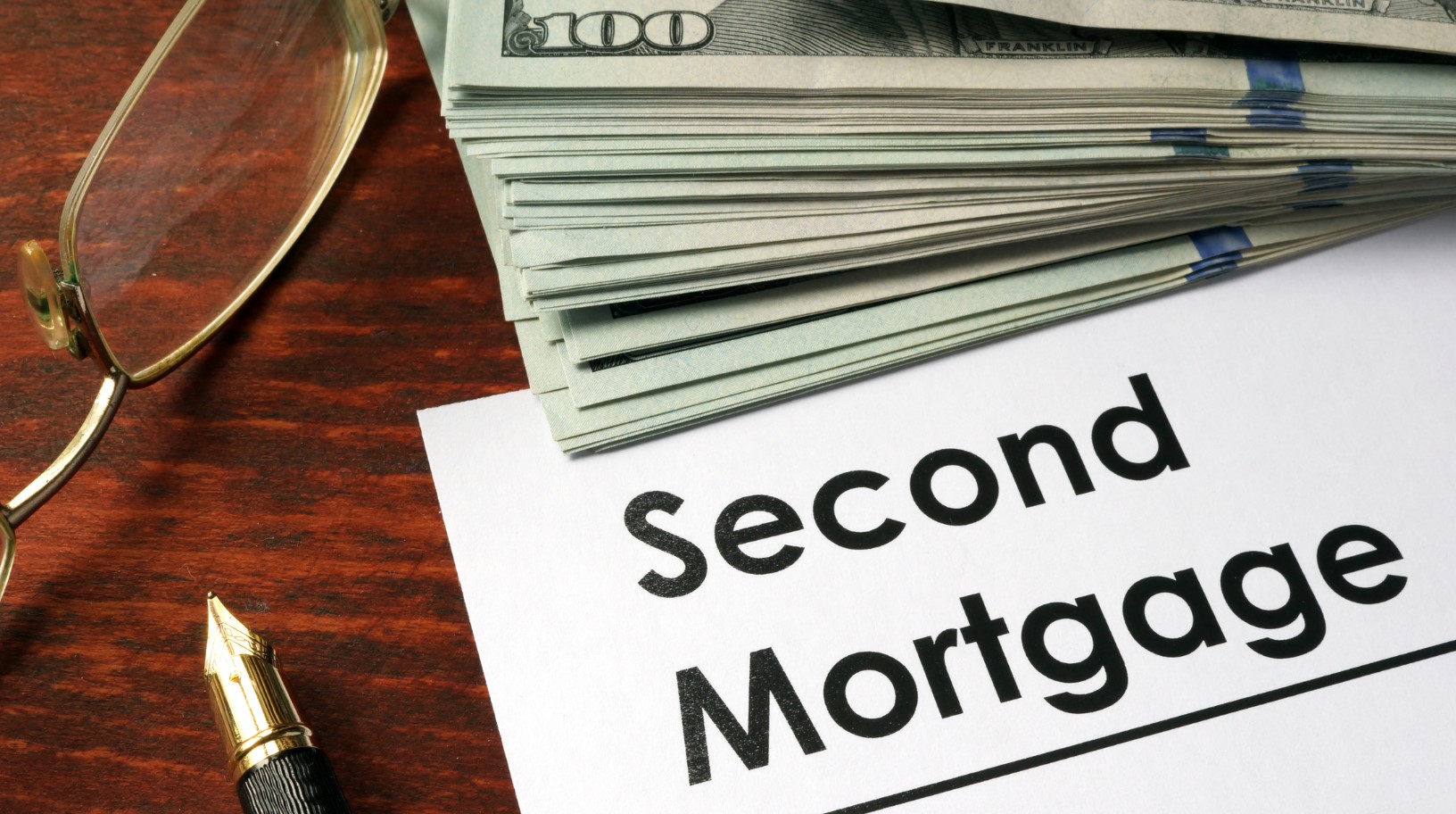
A home is probably one of the most expensive purchases you will ever make. It is important for you to understand all of the options available to you, particularly if you need a quick source of cash, and you might be thinking about taking out a second mortgage. You can use a closed-end second mortgage to cover the cost of repairs, medical debt, and even consolidate your other sources of debt. How do you know if this option is right for you?
An Overview Of A Closed-End Second Mortgage
If you decide to take out a second mortgage, you will typically withdraw the cash you need. Then, if you need more cash in the future, you can take out more down the road. In contrast, with a closed-end second mortgage, you will receive the entire loan amount upfront. Then, you will not be able to withdraw any additional cash if you need more because you have already withdrawn the maximum limit. Generally, you can withdraw up to 80 percent of your home’s equity value, but there are many factors that will dictate your limit.
The Pros
Before deciding whether this is the right option for you, you must weigh the benefits and drawbacks. The biggest benefit is that it gives you access to a quick, large, lump sum payment. You can use this to cover home renovations and pay off debt. You also get access to a fixed interest rate. Unlike other options, you don’t have to worry about the interest rate changing.
The Cons
On the other hand, there are some drawbacks you might notice. You have to use your home as collateral, so you risk losing your home if you can’t meet the payments. In addition, you will probably incur higher closing expenses, and you may have to pay a higher interest rate. This is particularly true if you are taking out a large amount of money.
Weigh Your Options Carefully Before Deciding On A Second Mortgage
If you are looking for a second mortgage, you need to think about all of your options carefully before you decide which one is right for your needs. Consider reaching out to an expert who can help you.
 There is a common misconception that someone who is self-employed will not have the tax records or income necessary to qualify for a mortgage; however, that is not necessarily the case. In reality, if you are self-employed, there are a lot of home loan options available to you. It is true that it might require some additional paperwork and planning, but as long as you have the necessary information, you should be able to qualify for a mortgage.
  Are you the type of person that struggles with remembering to pay their bills on time? You’re not alone. People across the country regularly submit late monthly payments, inflicting terrible damage to their credit. Let’s take a quick look at how paying your loan or other monthly payments late can have a negative impact on your mortgage.