
How Large Of A Down Payment Do You Truly Need?
 If you are interested in purchasing a home, how much money should you put down? This is a difficult question that all potential homeowners need to answer, as it will dictate the size and location of the house you can afford. There are a number of factors to consider, so what do you need to know?
Generally, Putting More Down Is Better
There is a solid chance that a home loan is going to be the largest loan you will ever take out in your life. Therefore, there is some risk involved, and you must make sure you can pay it back. You can reduce the risk you take on by putting more money down. That way, you don’t necessarily have to take out such a large loan, and your lender may provide you with a lower interest rate. This could save you thousands of dollars over the life of the loan.
First-Time Homebuyer Options Are Available
The downside of saving up such a large down payment is that it could take a long time for you to save up so much money. Fortunately, there are programs available for first-time home buyers. For example, if you qualify for an FHA-backed loan for first-time homebuyers, you might be able to qualify for a home loan with as little as 3.5 percent down. This might make it easier for you to afford a house.
Is Your Money Better Served In The Market?
Putting more money down for a house may provide you with a lower interest rate while also reducing your monthly mortgage payments; however, you need to think about where your money will work the hardest for you. You may qualify for a lower interest rate if you put more money down, but will your money generate a higher return if you invested in your retirement? You should answer this question when you decide whether to put more money towards your house or more money in an investment portfolio.
Consider Working With An Expert
How much money should you put down for your house? This is a question that has a different answer for everyone, which is why you should consider working with a professional who can help you.
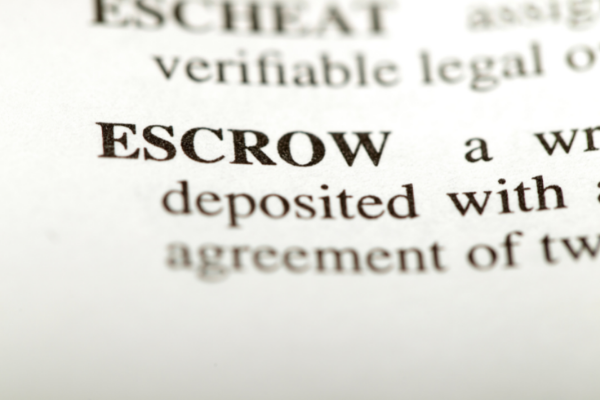 There are many complicated terms thrown around regarding your mortgage, and one of them is an escrow account. You will probably hear that your lender will collect some additional money every month for escrow payments. If you take a look at your mortgage statement, you will see your interest, your principal, and your escrow. What does this mean, and why do you have to pay additional money that isn’t going toward the balance of your loan?
 Are you a retired individual looking for ways to increase your financial security? If so, you may have heard of a home equity conversion mortgage, more commonly known as a reverse mortgage. Used correctly, this is one of the most effective financial products for retirees who own their home.