
Finding The Best Mortgage Deal: What To Do
 You have worked hard for your money, and you probably want to save as much of it as you possibly can. That means you need to find the best possible mortgage deal you can. What are a few steps you should take if you want to get the best loan terms possible?
1. Get Plenty Of Estimates
You need to get a lot of estimates from different types of lenders. Examples include private mortgage companies, commercial banks, and credit unions. If you have a real estate agent, you may want to see if they can refer you to a loan officer. Many of these institutions have forms you can fill out online. Then, they will give you a custom rate estimate. When you compare rates across institutions, you must make sure you use the same loan terms. For example, you might want to get a 30-year fixed-rate estimate from all of these institutions.
2. Understand Closing Costs
When you get an estimate back from the lender, they will probably give you the total loan amount, the term (or length) of the loan, and the interest rate; however, you cannot overlook closing expenses. For example, some lenders will charge you a fee just for printing your loan documents. Pay attention to the closing costs and try to remove as many of them as possible.
3. Select A Lender
After reviewing the documents carefully, you should select a lender. Be sure to ask about the rate lock period, which guarantees your interest rate for a certain amount of time. You need to make sure your interest rate will not change before you get to the closing table. You should also ask about prepayment penalties, which refers to penalties you might have to pay for paying off your mortgage early. If you plan on making extra payments toward the principal, try to remove the prepayment penalty.
4. Finalize The Document
Once you are done with the negotiating process, go ahead and finalize the document. You cannot necessarily negotiate appraisal fees or government recording fees, but you can negotiate your closing expenses, interest rate, and points. Once you are done, work with your agent to get to the closing table and start the moving process.
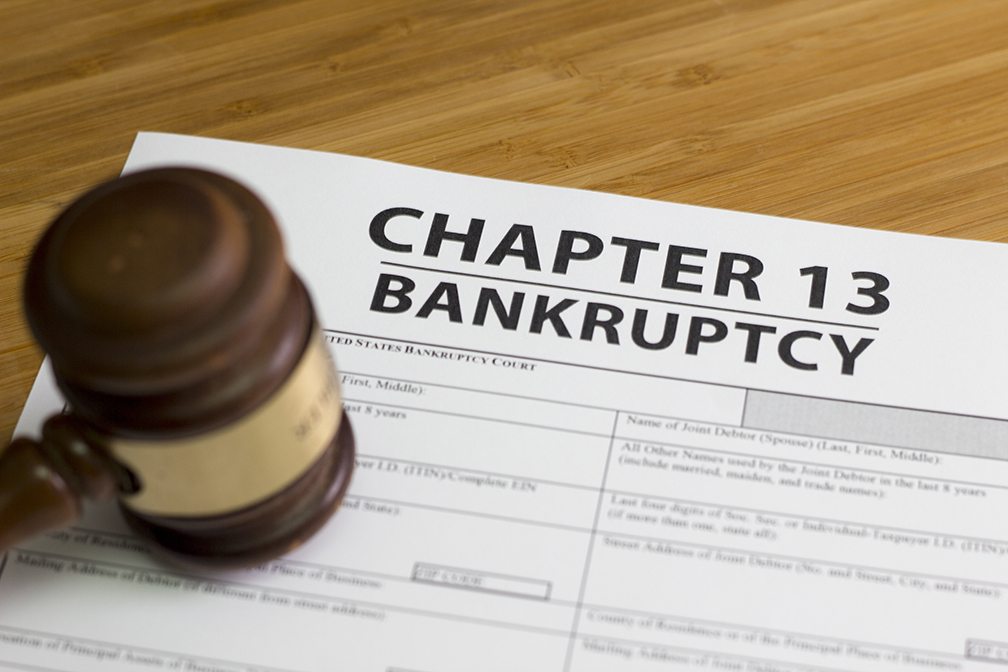 While it is sometimes the best option to get your finances repaired, the bankruptcy and following discharge period can be tough. However, while it may delay things for a couple of years, the good news is that even a bankruptcy won’t stop you from borrowing a mortgage to buy a home. In today’s article, we will share some insight into how you can get a mortgage loan after going through bankruptcy.
 Does the thought of repaying your mortgage for the next twenty-plus years leave you feeling a little down? Whether you’ve had your mortgage for weeks or years, accelerating your payments is an excellent option that can help get your mortgage fully paid off in a shorter time frame. Let’s explore three great reasons to accelerate your payments so that your mortgage debt is paid down faster.