
The Top Questions To Ask A Mortgage Lender
 With many people interested in taking out a home loan, it is critical for potential homeowners to think carefully about which loan structure is right for them. There are a lot of home loan options out there, and potential homeowners need to make sure they consider the benefits and drawbacks of all options. This means asking the right questions. What questions do you need to ask your mortgage lender?
How Big Of A Down Payment Do I Need?
The first question you need to ask your mortgage lender is about the down payment you need to make. A smart rule of thumb is that you need to put 20 percent down for your house; however, this is a large sum of money that many people do not have. If you are buying a home for the first time, you might be able to get a home for 3.5 percent down. Always talk to your mortgage lender about this issue.
Is My Credit Score High Enough?
Next, talk to your mortgage lender about your credit score. The higher your credit score, the easier it will be for you to qualify for a home loan. You may want to talk to your mortgage lender about your credit report to see if there are any inaccuracies that need to be fixed.
Do I Need To Get Mortgage Insurance?
Do not forget to ask your mortgage lender if you need to get mortgage insurance. If you put less than 20 percent down on your house, you might need to get insurance, but your premium should go down as your equity goes up. Then, once you reach 20 percent equity in your home, you should be able to get rid of mortgage insurance. Clarify this with your mortgage lender.
Find The Right Home Loan For Your Needs
These are a handful of the top questions you need to ask your mortgage lender if you are thinking about taking out a home loan. With so many loans available, it is easy to get confused. Remember that the right loan for one person is not necessarily the right loan for you. Your mortgage lender can help you put yourself in the best position possible to be successful.
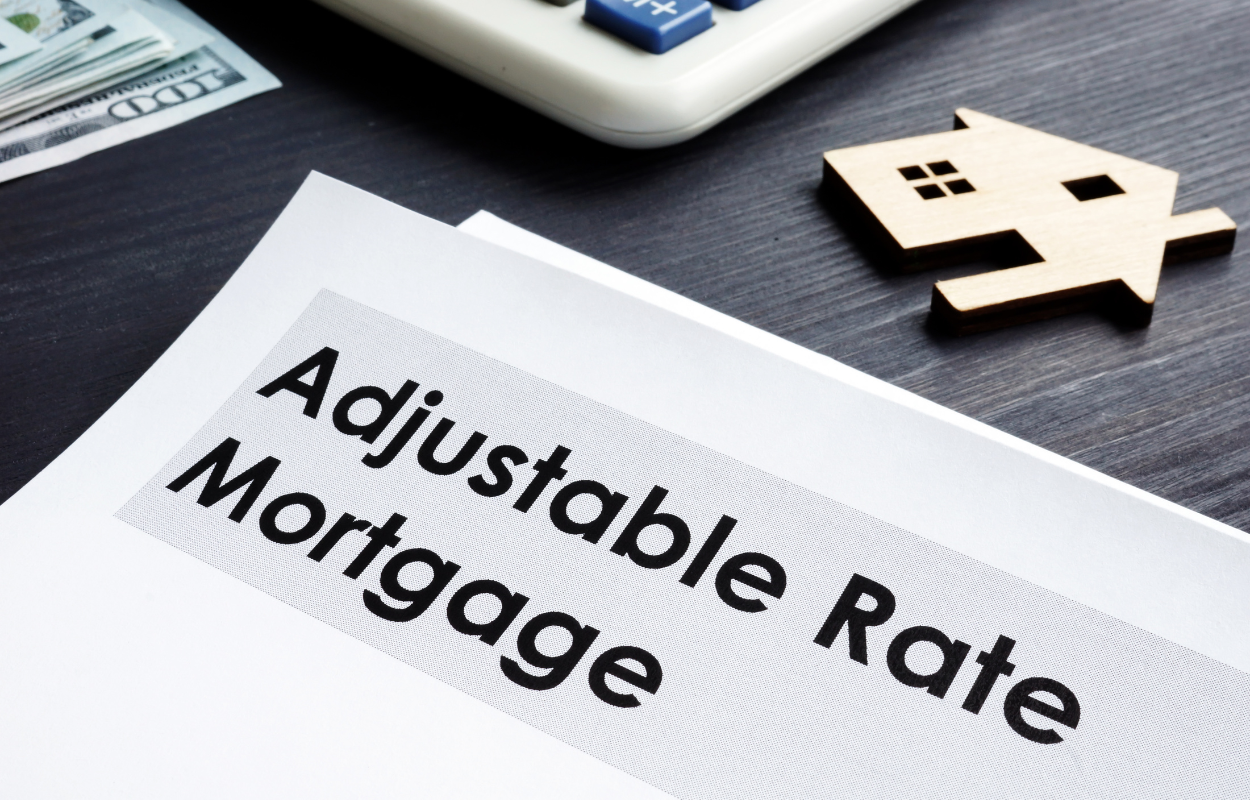 If you are purchasing a house in the near future, you are probably reviewing your loan options. There are plenty of choices available, and one option is an adjustable-rate mortgage, which is usually shortened to ARM. There are a lot of people who get lured in by the advertisements on ARMs, but are they right for you? There are a few important factors you need to keep in mind.
 Whether you’re embarking on the process of obtaining a mortgage for the first time or just preparing yourself for the advances in the industry, the implementation of automated underwriting in recent years has significantly changed the application process. From the time you’ll have to wait to the documentation that is required, here are some of the details on what you can expect when dealing with an automated underwriter.