Buying Your First Home? Learn These 5 Essential Home Maintenance Skills as Soon as Possible
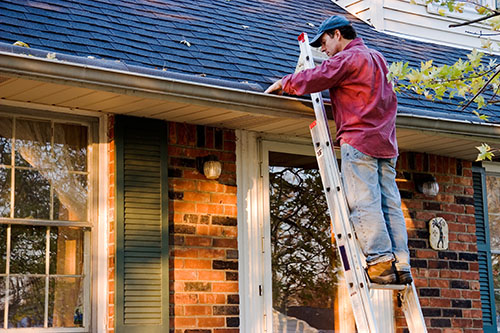
Buying Your First Home? Learn These 5 Essential Home Maintenance Skills as Soon as PossibleNew homes can be scary. But when you take the time to think about it, and plan ahead, maintaining a home is easier than you think a manageable mix of experience and common sense. Here are five skills that will help maintain your new home for years to come.

Fixing A Toilet

It’s not as daunting as it sounds. Just remember that toilets work with gravity the water wants to flow freely. Don’t be afraid to open that tank up and adjust the floater and valves as needed. Occasionally run the water (flush the toilet, turn on the sink) in unused rooms, like the guest bathroom, to keep the pipes clear and functioning.

Dealing With Animals

Sometimes your animal neighbors invite themselves in. While it’s always better to use professionals if you have a large-scale or persistent pest problem, there are steps you can take to minimize animal visitors before it comes to that. Check for termites by looking for raised, hollow tubes along the wood (tubes filled with bugs). If you have mice, and know how they’re getting in, block their holes with steel wool and set friendly traps ones that capture instead of kill. But make sure to release the captives far from your home.

Electricity and Water Awareness

Know how to shut off your electricity and water, just in case. Find the shut-offs when you first move in. And take the time then to test the breakers and label them, clearly, directly, with permanent marker. That way there is no confusion if one gets tripped.

A Regular Deep Clean

On a regular basis, give your house a deep clean. Scrub the bathrooms, clean the kitchen appliances and floors/walls. Doing this will not only prevent the accumulation of dirt and grime, which could lead to bigger problems later on, but will also give you a chance to do a run-down of your house and see what needs fixing/updating/replacing.

Be Prepared

Gather your home maintenance kit (Home Maintenance for Dummies has examples) before you need it, and keep it up if you use all the nails, replace them. It’s also a good idea to make a maintenance calendar with notes on what needs to be done when this makes it easy for the homeowner, and anyone they need to step in. Finally, in being prepared, don’t forget to maintain your fire and carbon monoxide detectors with regular checks and battery changes (suggested every six months, regardless of battery life). Contact your mortgage professional, who can help you get started on your road to home ownership.

Real Estate Investing: How to Find Great Deals on Undeveloped Lots with Big Potential

Real Estate Investing: How to Find Great Deals on Undeveloped Lots with Big PotentialPurchasing a plot of land can be one of the best investments to make. A landowner has great (but not unlimited) freedom in how to develop their plot, and land never expires so its potential is essentially infinite. That said, buying undeveloped or vacant land can be risky business, so read on to find tips on purchasing a plot.
Do Your Homework: Before You Get Onto The Land

Before anything else happens, figure out your priorities. Decide what you want the land for, what amenities and what location you want, what you’re looking for in terms of neighbors or local government, and, of course, know your budget. More specific questions will arise around taxes, fees,and permits for building, available utilities/water access but, first, just start with your ideal land plot and work backwards (and into reality) from there.

Do Your Due Diligence: On The Land Itself

Once you find a plot that fits your needs on paper, get out onto it. Walk the land with an eye on the topography (any unexpected hills or valleys? Is the ground solid/fertile/arable, depending on what you need?), neighboring properties, size and shape of the plot, and any other element that the walk brings to your senses (smell and hearing as well as sight). Ideally, do this walk in the fall, so there is no foliage hiding your view of the property and what’s around it.

Don’t Despair: It’s Costly, But There Are Deals Out There

Remember that developing the land will incur costs too. Budget for as many foreseeable costs as you can, including a land survey, well/utility installation, legal fees, land clearing, landscaping, road construction and others. That said there are places you can look at for deals on the initial land purchase, including property lots for sale (which are cheaper the farther they are from major cities, road access, and already-connected utilities) or bank-owned plots. For those, you can talk to your real estate agent about asking local banks for lists of their foreclosed properties, which tend to be cheaper as banks look to sell them off.

Don’t Be Afraid To Ask: Reaching Out To Experts

Finally, talk to people. Ask locals about the neighborhood, previous uses of the land, potential surprises (like calm paths that turn into snowmobile trails in the winter). Connect with professionals in the local health department, zoning and building departments, accountancy and other areas of development for in-depth answers to your municipal questions. Let your local mortgage agent be your first point of contact.

Thinking about a ‘Fixer Upper’? Understanding the Balance Between Purchase and Reno Costs

Thinking about a 'Fixer Upper'? Understanding the Balance Between Purchase and Reno CostsFixer uppers can come with huge price benefits and opportunity, as well as problems. Make sure you understand what you’re getting yourself into before you purchase a home that needs significant restoration.

Carefully Calculate

Do the math very carefully before jumping in. Add up the expected renovation costs based on a thorough evaluation of the property. As some of the expected costs will lie within a grey area, it is important that you base your estimation on the higher end of the price range. Be sure to account for all materials and labor.

Once you have calculated your expected renovation costs, subtract this number from the home’s projected post-renovation market value. It is important that you base this projection on comparable listings in the same neighborhood. Consulting a real estate professional can offer very valuable assistance with this step.

To be conservative, deduct at least another 10 percent for any unforeseen costs, mistakes, or issues that arise. That final number should be the highest offer you make on the property.

Work With The Right Team

When looking for a fixer upper that is a sound investment, make sure that you have a solid team of professionals to work with. Choose a real estate agent who is familiar with the area and type of property that you are interested in, and make sure that all laborers you hire are not only competent to deal with the problems that you’ll face during renos, but who won’t cut corners. Aesthetically appealing housing don’t always pass inspections – it’s important to make sure that the property is fit for sale or it may never close at your asking price.

Aesthetic Problems Are The Best Problems

If you’ve managed to find a home that’s in great condition but is visually unappealing, you may have found yourself an excellent fixer upper. Ugly carpet, old appliances, and tacky wallpaper are easy fixes that won’t eat up much of your budget or your time.

Asbestos, leaky water lines, a cracked foundation, or a rotted frame are examples of more significant issues that will require the help of a professional. Be wary when investing in a property that has one or several of these problems, as they are the kind of issues that snowball into larger costs and a longer timeline for repairs.

Ready to invest in a great fixer upper and tackle it as your next investment? Move forward with the help of your trusted mortgage professional today.