
After Closing On A New Home: The Top Tasks To Complete
 Closing on a new home is exciting and many people view their closing date as the finish line; however, even after closing a new home, there is still a lot that has to happen. What do new homeowners need to do after closing on a new home?
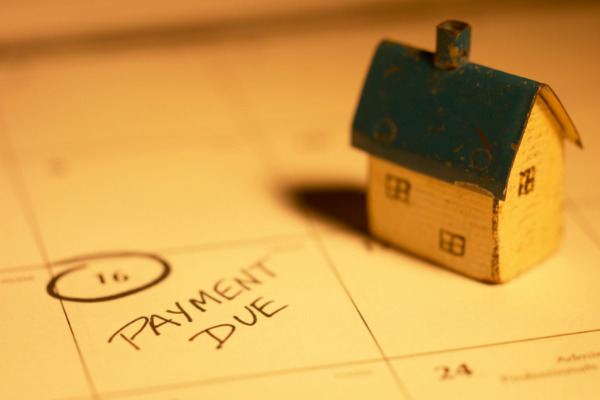
Mark The Date Of The First Payment
Every homeowner needs to know the first date of the new mortgage payment. They need to get their bank account set up for an automatic draft, or they need to send a physical check by that time. Keep in mind that the first payment might include a partial payment from the prior month as well.
Understand That The Loan Servicer Might Change
Anyone who is sending a physical check needs to be aware that the loan servicer might change. Many banks sell their loans to another entity, which means physical checks might need to go to a new address.
Watch For Potential Scams In The Mail
Many new homeowners receive a lot of junk mail and deceptive advertisements from scam artists. Anyone who has questions about the information they receive in the mail might want to talk to their real estate agent or lawyer to see what is real or what is fake. Sometimes, people try to sell homeowners on policies they already have, such as home insurance or mortgage insurance.
Make Sure Property Taxes And Homeowners Insurance Are Set-Up
Homeowners also need to make sure their property tax payments and homeowners’ insurance are set up. Often, the lender will escrow these payments, saving homeowners a significant amount of stress. This also means that homeowners need to make sure the lender is taking enough money every month to cover home insurance and property tax bills at the end of the year.
Look Past The Closing Date
These are a few of the most important tasks all new homeowners need to complete after closing on a new home. That way, nothing important gets overlooked, and homeowners are not surprised by anything they receive in the mail. Talk to a real estate or mortgage professional to learn more.
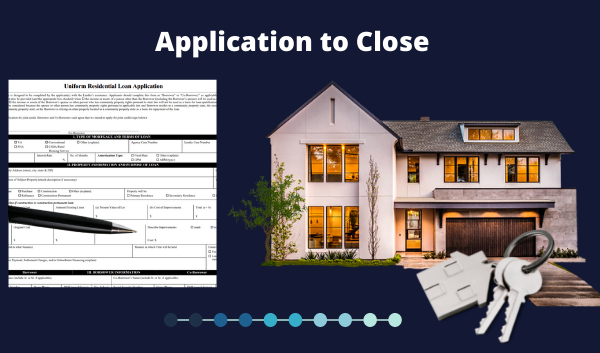 Even though purchasing a new home can be exciting, it can also be stressful. There are a lot of tasks that need to be completed between qualifying for a mortgage and receiving the necessary funds. Therefore, potential homeowners need to understand the timeline so they make sure they are on track to meet their closing dates. What are a few examples of important milestones that have to be accomplished?
  If you’re dealing with paying off your mortgage and going down to a one-income family, it can be complicated to determine how to financially swing it. However, becoming a parent and managing a mortgage are quite common nowadays with maternity leave and the modern family. While managing a mortgage on just one salary can be a challenge, there are a few simple things you can do to make it work.