The Most Common Dangerous Home Issues

The Most Common Dangerous Home IssuesThe most important reason to check for dangerous home issues is to ensure the safety of you and your family. Leaving home issues unchecked can cause significant damage to your property and if you’re planning to sell your home in the future, it’s important to ensure that it’s free of dangerous issues that could affect its value.

Here’s What to Look For:

Electrical problems: Faulty electrical systems, exposed wires, and outdated circuits can pose a serious risk of electrical fires, electrical shock, and electrocution.

Mold: Mold is a type of fungus that grows in damp, warm environments and can cause a variety of health problems, particularly for people with allergies, asthma, or weakened immune systems.

Carbon Monoxide Poisoning: Carbon monoxide (CO) poisoning is a potentially deadly condition caused by inhaling carbon monoxide gas, which is colorless, odorless, and tasteless. It can be produced by gas-powered appliances, such as furnaces, water heaters, and stoves, as well as by cars and generators.

Gas Leaks: Natural gas leaks can cause carbon monoxide poisoning, fire, and explosions. If you smell gas, you should evacuate your home immediately and contact your gas company.

Lead Poisoning: Lead poisoning is a serious health issue caused by exposure to lead, a toxic metal that can cause damage to the brain, kidneys, and other organs. Children under the age of 6 are particularly vulnerable to lead poisoning because their developing bodies can absorb more lead than adults.

Asbestos: Older homes may contain asbestos, which can cause lung cancer and mesothelioma. Asbestos should be removed by a professional.

Drowning: Drowning is a leading cause of accidental death, particularly among children and young adults. Drowning can happen in any body of water, such as pools, lakes, oceans, and even bathtubs. To prevent drowning, it’s important to always supervise children around water, never leave them unattended, and teach them basic water safety skills such as swimming and floating. Additionally, homeowners with pools should install fencing around their pools and use safety covers when the pool is not in use.

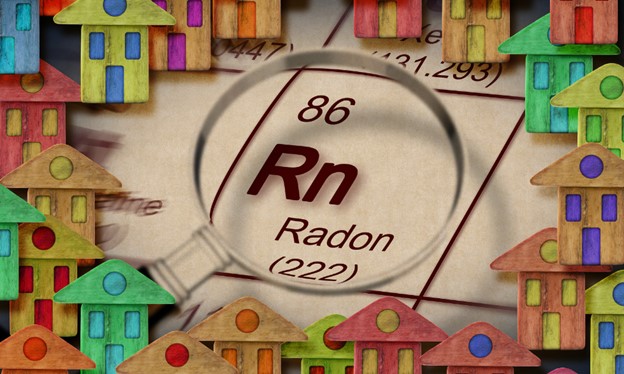
Radon: Radon is a naturally occurring gas that can seep into homes and cause lung cancer. A radon test can determine if your home has unsafe levels of radon.

Reducing Household Dangers

Reducing household dangers is important for maintaining a safe and healthy living environment. Here are some tips to help reduce potential dangers in your home:

  • Install smoke detectors and carbon monoxide detectors on each level of your home and outside each sleeping area. Test them regularly and replace the batteries as needed.
  • Keep fire extinguishers in accessible areas of your home and make sure everyone knows how to use them.
  • Keep all electrical cords in good condition and avoid overloading outlets or extension cords.
  • Regularly maintain and clean your home’s heating, ventilation, and air conditioning (HVAC) systems.
  • Keep your home free of clutter, especially on stairs and in walkways, to reduce the risk of trips and falls.
  • Ensure that your home has adequate lighting, especially in areas like stairways and entrances.
  • Regularly inspect and maintain your home’s plumbing systems to prevent water damage and leaks.
  • Store hazardous materials, such as cleaning products and chemicals, in a secure location away from children and pets.
  • Test your home for radon and consider installing a radon mitigation system if necessary.
  • Regularly inspect your home’s roof, foundation, and siding for damage and make repairs as needed.

It is important for homeowners to regularly maintain their homes and address any potential issues promptly to minimize the risk of harm. By following these tips, you can help to reduce potential dangers in your home and promote a safe and healthy living environment for you and your family.

A Comprehensive Guide to Choosing the Best Mortgage Options for Unique Circumstances

Securing a mortgage is a significant financial decision, and choosing the right option can have a lasting impact on your future. Each individual’s circumstances are unique, and finding the best mortgage for your needs requires careful consideration. Whether you’re a first-time homebuyer, have a less-than-ideal credit score, or are looking for specific loan terms, this comprehensive guide will assist you in navigating the process and making an informed decision.

Assess Your Financial Situation:

Before diving into the mortgage market, it’s essential to assess your financial situation thoroughly. Evaluate your income, expenses, credit score, and debt-to-income ratio. Understanding your financial health will help you determine the type of mortgage you can afford and establish a realistic budget. Then  determine how much you can afford to put down and explore loan programs that align with your down payment capabilities.

Understanding the variety of mortgage options available is key to finding the one that fits your unique circumstances. Here are some common options to consider:

Conventional Mortgage:

  • Suitable for buyers with good credit and stable income.
  • Requires a down payment of at least 3%.
  • Offers both fixed and adjustable interest rate options.

FHA Loan:

  • Insured by the Federal Housing Administration.
  • Designed for buyers with lower credit scores and smaller down payments.
  • Requires mortgage insurance premiums (MIP).

VA Loan:

  • Available to eligible veterans, active-duty service members, and surviving spouses.
  • Offers terms such as no down payment requirements and no private mortgage insurance (PMI).

USDA Loan:

  • Issued by the U.S. Department of Agriculture.
  • Intended for rural and suburban homebuyers with low-to-moderate income.
  • Offers low-interest rates and no down payment requirements.

Jumbo Loan:

  • For high-value properties.
  • Requires higher credit scores and larger down payments.
  • Offers flexibility in loan terms.

Adjustable-Rate Mortgage (ARM):

  • Interest rate is fixed for an initial period, then adjusts periodically.
  • Beneficial if you plan to sell or refinance before the rate adjustment.

Navigating the mortgage landscape can be overwhelming, especially when dealing with unique circumstances. Seeking advice from a mortgage broker or loan officer can provide invaluable assistance. They can help compare mortgage options, calculate affordability, and guide you through the application process based on your specific needs.

Factors to consider include:

  • Interest rates: Compare rates from multiple lenders to find the most competitive terms.
  • Fees: Assess closing costs, origination fees, and other charges associated with each lender.
  • Customer reviews: Read reviews from other borrowers to gauge the lender’s reputation.

Choosing the best mortgage for unique circumstances requires careful evaluation of your financial situation, goals, and available options. Assessing your finances, understanding your objectives, and seeking professional guidance will set you on the path to making an informed decision.

Remember to research and compare lenders, consider down payment assistance programs, and review all terms and conditions before finalizing your mortgage choice. By taking these steps, you’ll be well-equipped to select a mortgage that suits your unique circumstances and paves the way for a successful homeownership journey.

Will Pre-Approval for a Mortgage Hurt My Credit Score?

Will Pre-Approval for a Mortgage Hurt My Credit Score?Obtaining a pre-approval for a mortgage is an important step when you’re planning to buy a home. It gives you an idea of how much you can afford, helps streamline the home-buying process, and strengthens your position as a serious buyer. However, many people worry that the pre-approval process might negatively impact their credit score. In this blog post, we’ll dive into the details to determine whether or not a pre-approval for a mortgage will hurt your credit.

Understanding Credit Inquiries

To understand how pre-approval affects your credit, we need to discuss credit inquiries. When you apply for credit, such as a loan or credit card, the lender typically pulls your credit report to assess your creditworthiness. These inquiries are categorized as either “hard” or “soft.”

Hard Inquiries: A hard inquiry occurs when you apply for credit, and it can impact your credit score. These inquiries are visible to other lenders and may suggest that you’re actively seeking credit.

Soft Inquiries: A soft inquiry, on the other hand, doesn’t affect your credit score. These inquiries occur when you check your own credit report or when a lender pre-approves you without your explicit consent.

Pre-Approval and Credit Inquiries

When it comes to mortgage pre-approvals, most lenders perform a hard inquiry to assess your creditworthiness accurately. While this hard inquiry might have a temporary impact on your credit score, the impact is typically minimal. Generally, a single hard inquiry will only result in a small dip in your score, typically around five points or less. The credit bureaus understand that consumers may shop around for the best mortgage terms and account for this in their scoring models.

The Logic Behind Credit Scoring

Credit scoring models are designed to account for consumer behavior related to loans and credit applications. They recognize that it’s normal for individuals to shop around for the best rates and terms when seeking a mortgage. To encourage this behavior, credit scoring models treat multiple mortgage inquiries made within a certain time frame (usually 30 days) as a single inquiry. This means that even if you get pre-approved by multiple lenders within that timeframe, it will be considered a single inquiry when calculating your credit score.

While a pre-approval for a mortgage may result in a temporary dip in your credit score due to the hard inquiry, it’s generally a small and short-lived effect. The benefits of obtaining a pre-approval, such as understanding your budget and strengthening your position as a buyer, far outweigh any minor impact on your credit score.

To minimize any potential negative impact on your credit score during the mortgage pre-approval process, consider the following tips:

Do your research: Before applying for a pre-approval, research lenders and their qualification criteria. Focus on a select few lenders who are likely to meet your needs to minimize the number of credit inquiries.

Time your applications: If possible, try to complete all your mortgage pre-approval applications within a short time frame, such as 30 days. This way, the credit bureaus will consider them as a single inquiry.

Monitor your credit: Regularly monitor your credit report to ensure accuracy and identify any potential issues. You can obtain one free credit report per year from each of the three major credit bureaus.

In most cases, the impact of a mortgage pre-approval on your credit score is minimal and short-lived. While the initial hard inquiry may result in a small dip in your score, credit scoring models are designed to account for shopping around for the best mortgage terms. The long-term benefits of obtaining a pre-approval far outweigh any minor impact on